
Osaka Area<< >> Tokyo Area
Osaka Area
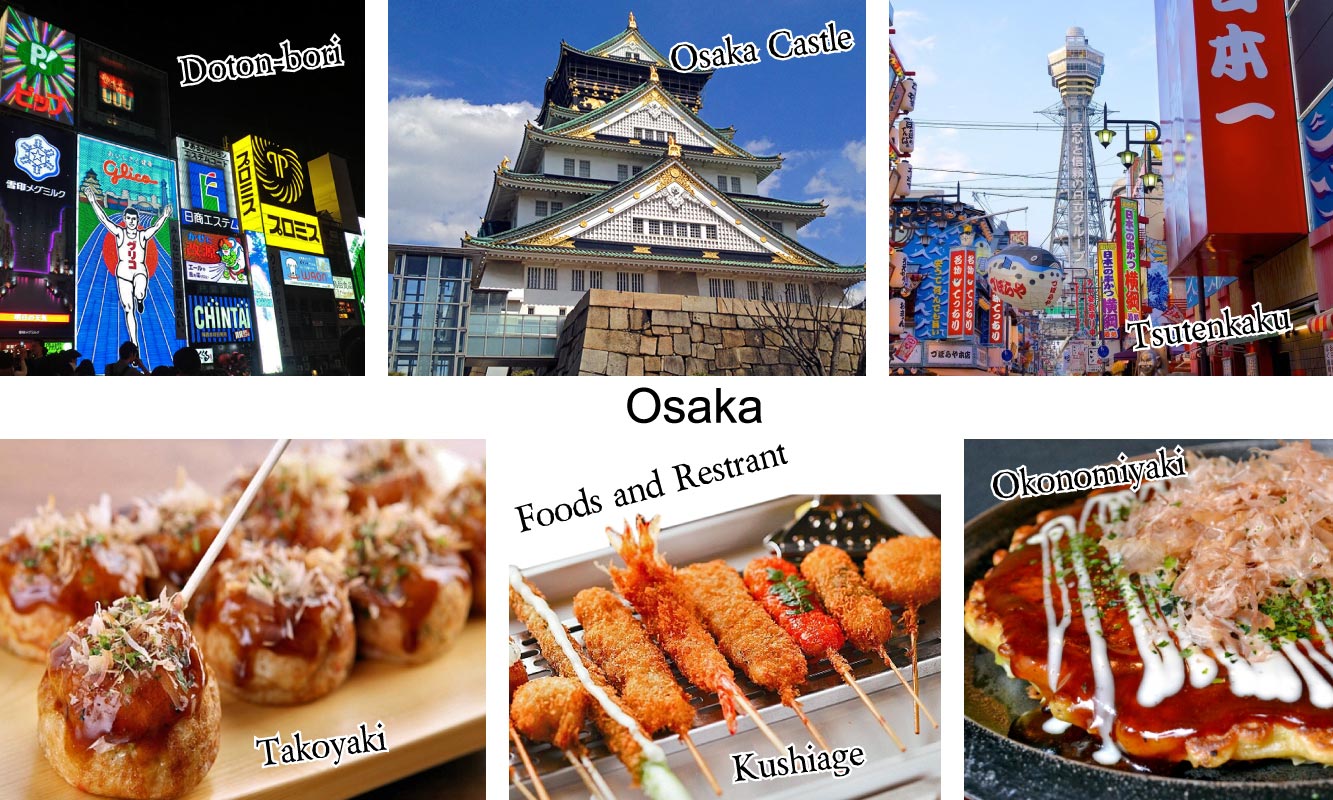
About Osaka
 Osaka is located on the main island of Honshu, roughly in the center of Japan. Osaka City, which was incorporated in 1889, has a population of 2.69 million and an area of 225.21 square kilometers. Osaka Prefecture, which includes Osaka City (its capital) and 42 other municipalities, has a population of 8.84million and a total land mass of about 1,905 square kilometers. Although Osaka is Japan's second smallest prefecture by size, its population represents 7% of the entire nation, making it the second most populous prefecture after Tokyo. Furthermore, 10% of all non-Japanese residents live in Osaka.
Quotations from osaka-info.jp
Shin Osaka Station
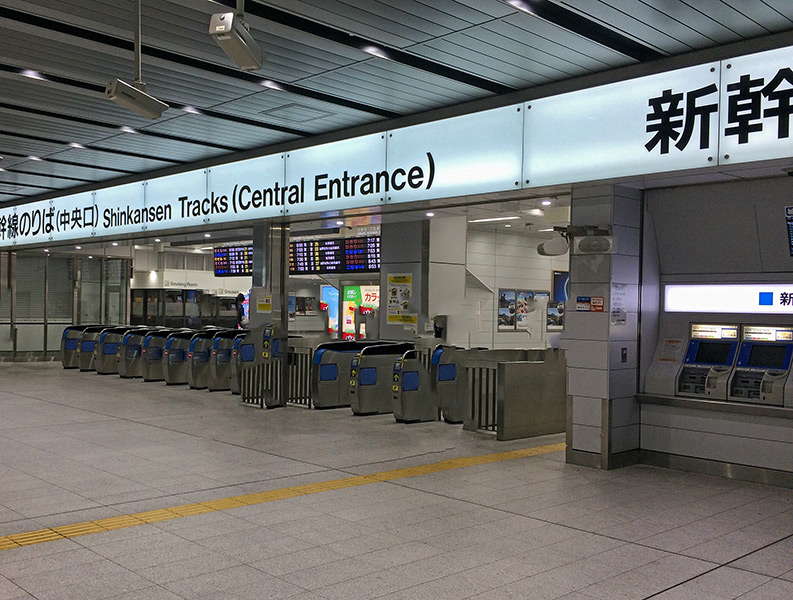 If you are traveling between Osaka and the rest of Japan, then the shinkansen or “bullet train” is the fastest and most comfortable way to travel. There are two shinkansen lines, which connect with Osaka. These are the Tokaido which runs from Tokyo in the east, and the Sanyo which runs from Fukuoka in the west. Both of these lines have their common terminus in Shin-Osaka station, so this station is a very important gateway for the Osaka metropolitan area.Plese refer to osakastation.com website for details. >>
Quotations from osakastation.com
Osaka Station
 Osaka Station City Facilities
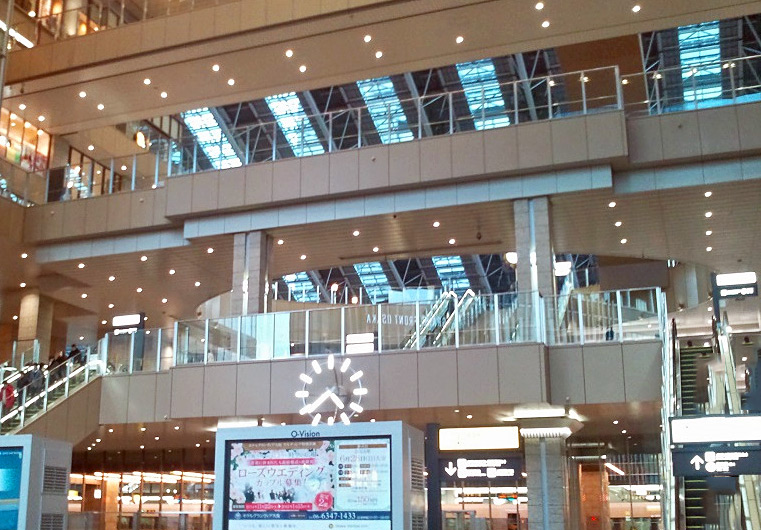
Housed within the bright, modern shopping complex of Osaka Station City, Osaka Station is the biggest and busiest station in Western Japan. Closely connected to six neighboring satellite stations, it sits at the heart of a vital and vibrant transportation network that has helped to make the surrounding Umeda district Osaka’s preeminent center of business enterprise and opportunity.Plese refer to osakastation.com website for details. >>
Quotations from osakastation.com
Dotombori(Minami Area / Namba)
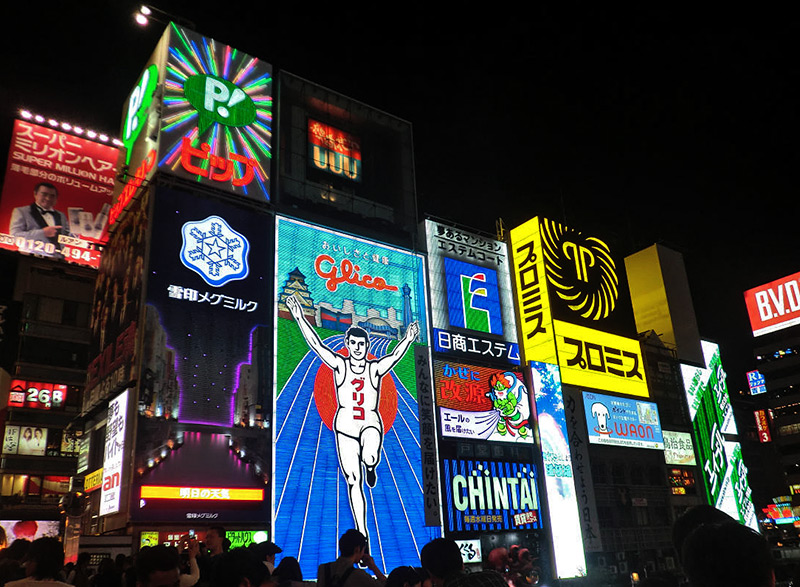
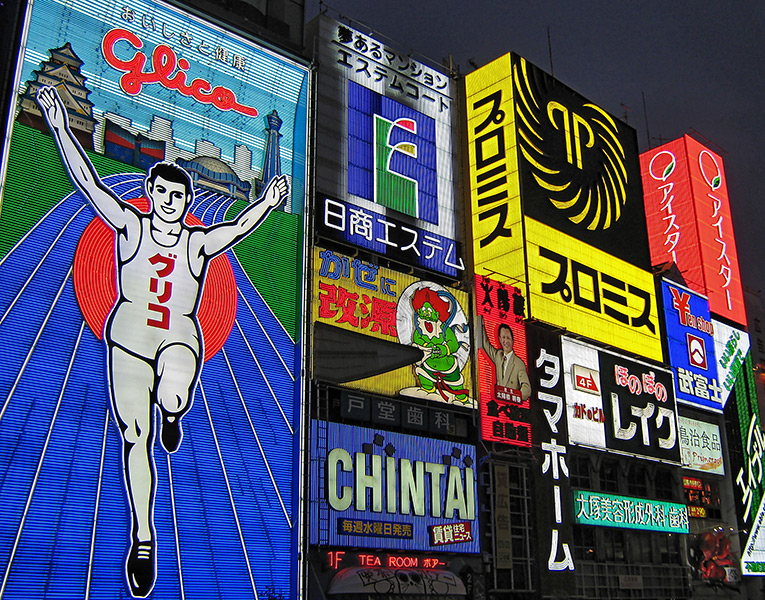 Dotombori is a symbol of the Minami Area and a mecca for the kuidaore food culture of Osaka. Dozens of restaurants line the Dotomborigawa River, and large famous billboards draw diners'attention. On the north side of the river, where geisha used to entertain their customers, are now small bars and restaurants squeezed together in rows. The southern side of the river is the center of the Dotombori area, which was once known as the theater district. Nowadays, colorful neon signs and flash signboards enliven the area, showing that the district still represents the passion of Osakans. In one of Dotombori's back streets, Hozenji-Yokocho, small restaurants are located along the stone-paved alley, retaining the flavor and atmosphere of old Osaka. It's like a step back in time. Dotombori has so many restaurants and bars packed along its narrow streets and alleys that it's impossible to count them. Their colorful signs and decorated entrances create a symphony of light and design that dazzle the eye. Here is where you can experience the true meaning of kuidaore, and stuff yourself with Osaka's great tasting reasonably priced food to your ultimate culinary satisfaction.Plese refer to osaka-info.jp website for details. >>
Quotations from osaka-info.jp
Osaka Castle
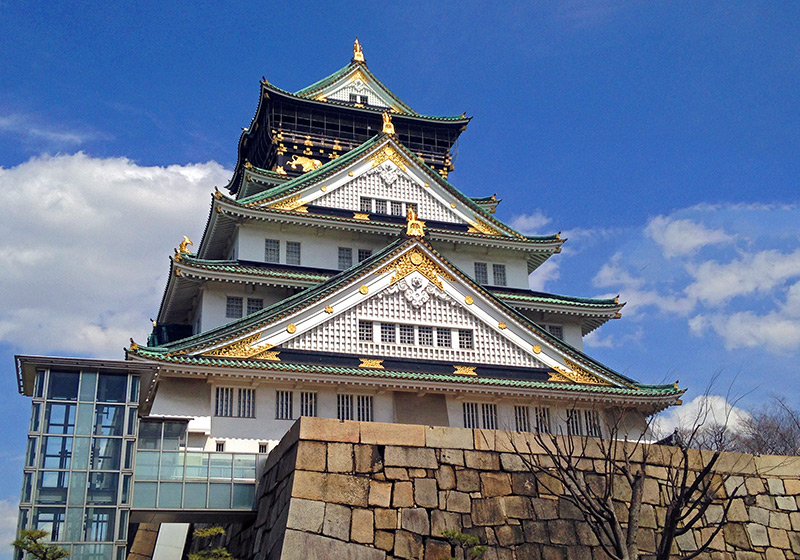 Osaka Castle a symbol of Osaka, which has been handed down through the dramas in history to the present day Osaka Castle is widely known as an emblem of the power and fortune of Hideyoshi Toyotomi.Plese refer to osakacastle.net website for details. >>
Quotations from osakacastle.net
Kitashinchi
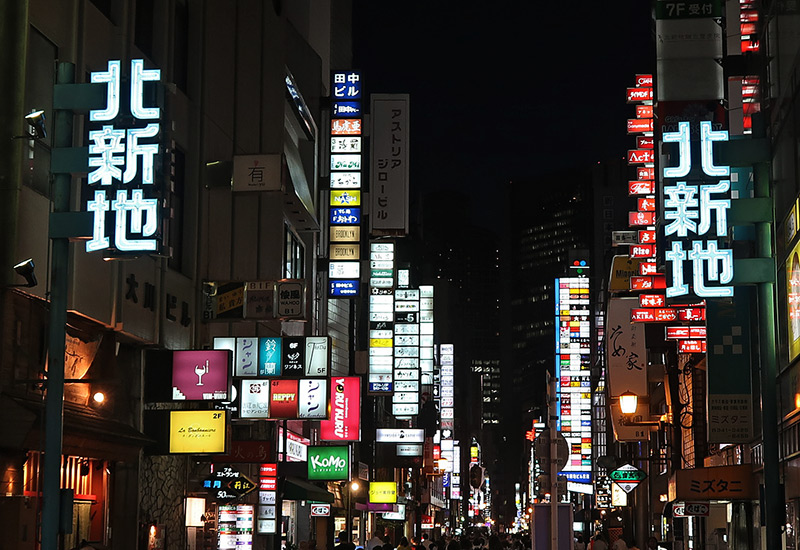 Renowned as "The Ginza of Osaka," Kitashinchi is a bustling (adult) entertainment district that hugs the river along the southern side of Osaka Station. It comes alive at night during the week with a vibrant cluster of swanky neon-lit restaurants, bars, and night clubs overflowing with business patrons and salarymen hustling to entertain their clients. In the Edo Period it was known as the "Northern Red Light District," and was frequented by government officials and members of the aristocracy striking deals in the genteel company of geisha. Today it remains a rather secluded, high class neighborhood favored by its more private customers. Travelers coming just for fun will want to dress up in their classiest outfits to blend in with the posh crowd to get the full effect of this sumptuous experience.Plese refer to gurunavi.com website for details. >>
Quotations from gurunavi.com
Tennoji Area
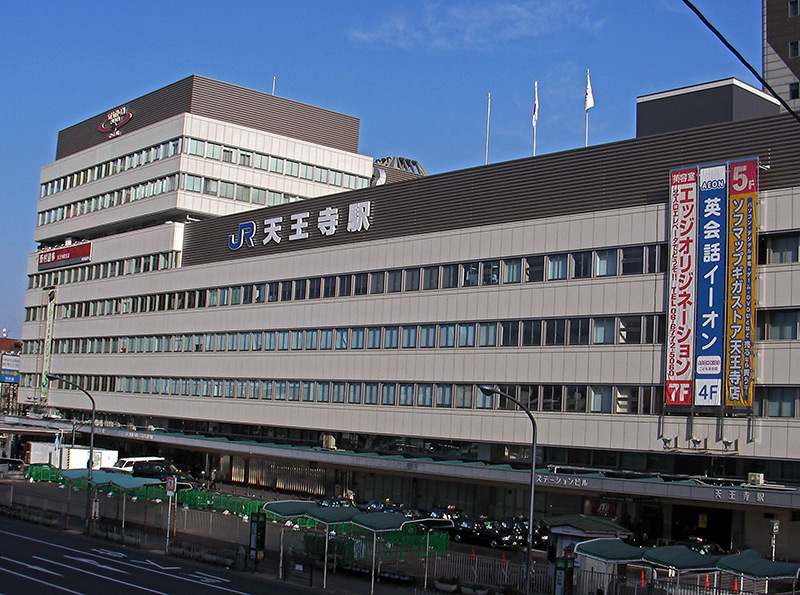 Located in the southeast of central Osaka, the Tennoji and neighboring Abeno districts are home to the tallest skyscraper in Japan, Abeno Harukas. Tennoji Station is one of Osaka's largest transportation hubs, served by multiple JR and subway lines. Kintetsu Osaka Abenobashi Station is just across the street.Plese refer to japan-guide.com website for details. >>
Quotations from japan-guide.com
Tsutenkaku Tower
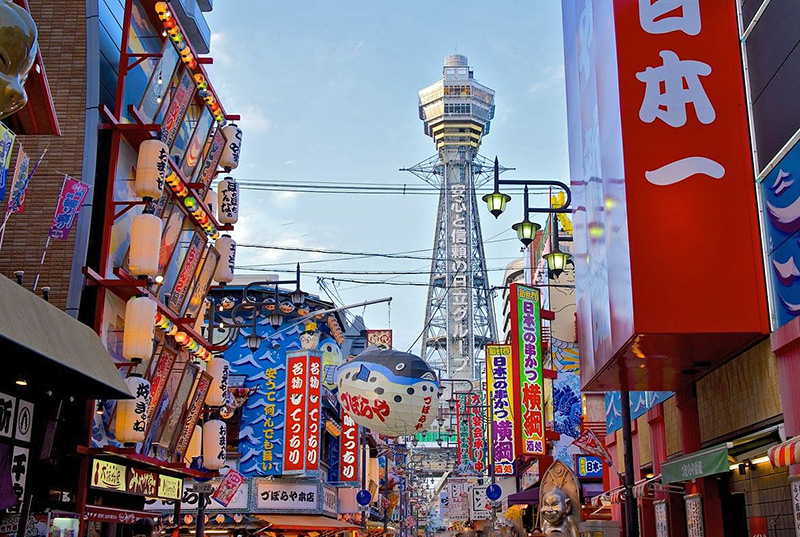 The Tsutenkaku is a new structure, rebuilt after World War II. The original Tsutenkaku was built in 1912, and it shocked the people of that era; with a height of 64 meters, it was the tallest structure in the Orient. It was also one of the two great attractions of Shin-Sekai at that time, the other being Luna Park, an amusement park with an area of more than 132,000 square meters. Eventually the Tsutenkaku, which reminded local residents of the Eiffel Tower in Paris, became the symbol of Osaka. But then in 1943 a fire broke out in the tower, and it was later dismantled to supply steel to the wartime economy. After various difficulties were overcome, the long-awaited new Tsutenkaku was erected in 1956.
Plese refer to osaka-info.jp website for details. >>
The Tsutenkaku is a new structure, rebuilt after World War II. The original Tsutenkaku was built in 1912, and it shocked the people of that era; with a height of 64 meters, it was the tallest structure in the Orient. It was also one of the two great attractions of Shin-Sekai at that time, the other being Luna Park, an amusement park with an area of more than 132,000 square meters. Eventually the Tsutenkaku, which reminded local residents of the Eiffel Tower in Paris, became the symbol of Osaka. But then in 1943 a fire broke out in the tower, and it was later dismantled to supply steel to the wartime economy. After various difficulties were overcome, the long-awaited new Tsutenkaku was erected in 1956.
Plese refer to osaka-info.jp website for details. >>
Quotations from osaka-info.jp
ABENO HARUKAS
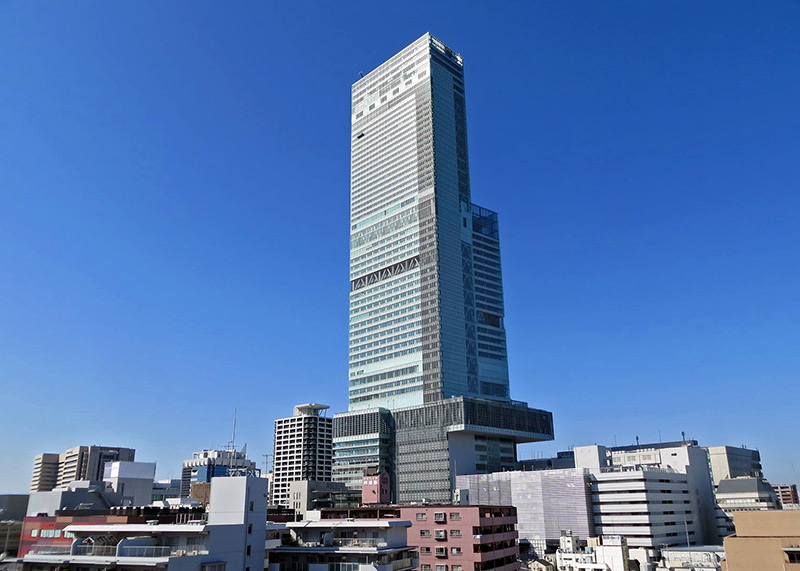 “Harukas” is an old Japanese expression meaning “to brighten, to clear up.”As its namesake suggests, ABENO HARUKAS embodies the exhilation of clear, sweeping views of Osaka from its top floor 300 meters in the air. The complex’s wide array of facilities and amenities answer every need, promising every visitor a relaxing time in a bright, comfortable environment. ABENO HARUKAS is the future of multifunctional urban space in the sky.Plese refer to abenoharukas-300.jp website for details. >>
Quotations from abenoharukas-300.jp
Universal Studios Japan (USJ)
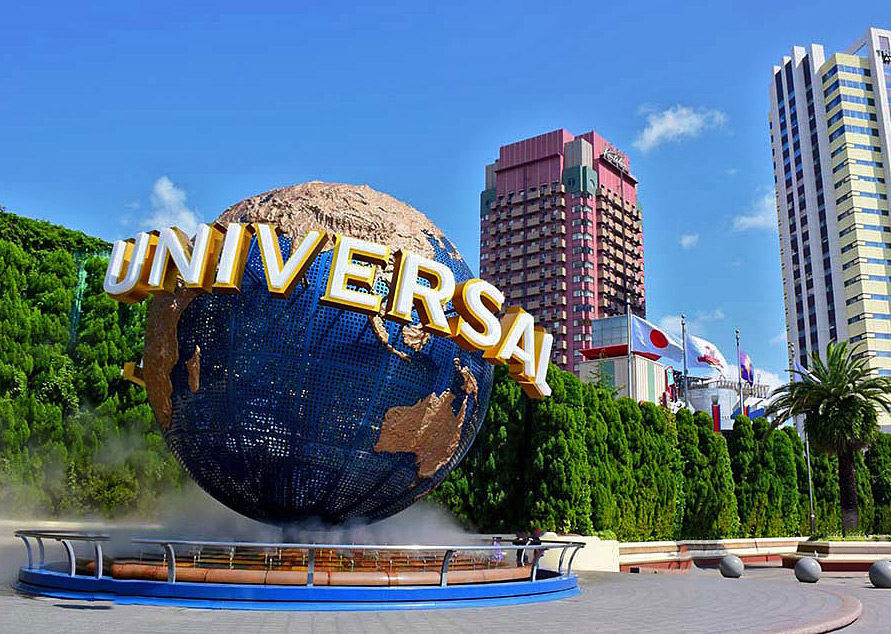 Universal Studios Japan (USJ) was the first theme park under the Universal Studios brand to be built in Asia. Opened in March 2001 in the Osaka Bay Area, the theme park occupies an area of 39 hectares and is the most visited amusement park in Japan after Tokyo Disney Resort.
Plese refer to usj.co.jp website for details. >>
Universal Studios Japan (USJ) was the first theme park under the Universal Studios brand to be built in Asia. Opened in March 2001 in the Osaka Bay Area, the theme park occupies an area of 39 hectares and is the most visited amusement park in Japan after Tokyo Disney Resort.
Plese refer to usj.co.jp website for details. >>
Quotations from japan-guide.com
Osaka Maps
Osaka Area Map

The twenty four wards in central Osaka

 ・JR WEST JAPAN RAILWAY