
Japan's UNESCO World Heritage Sites
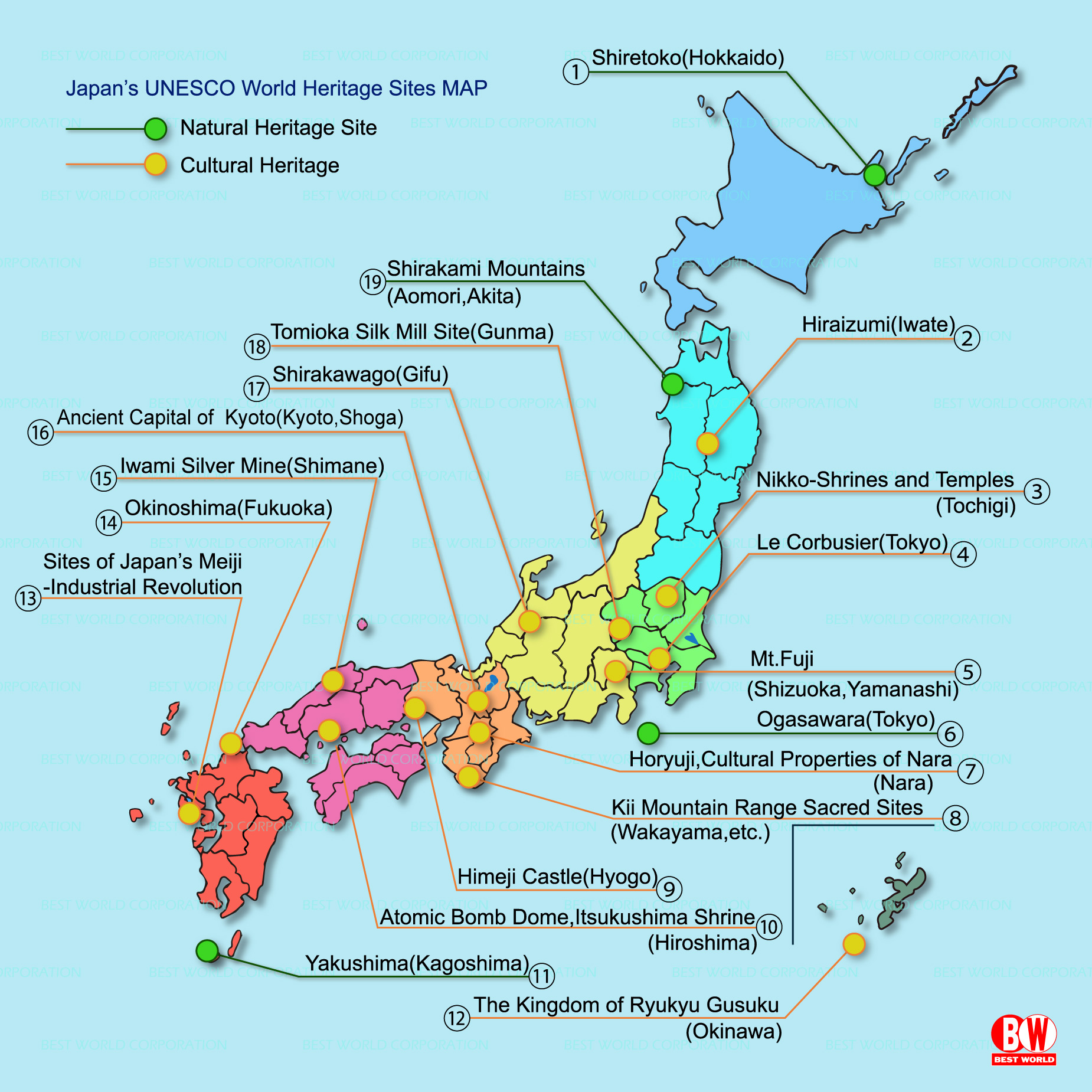
1.Shiretoko(Hokkaido)
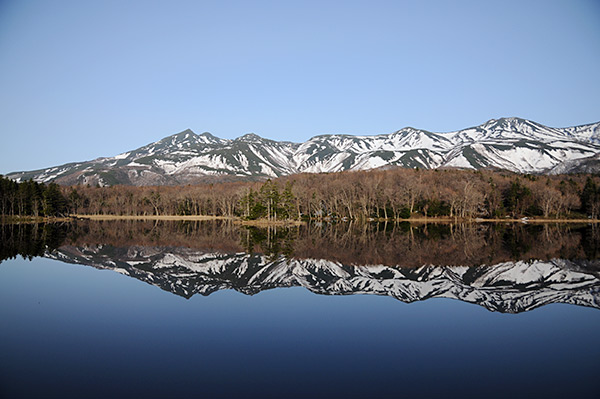 Shiretoko Peninsula is located in the north-east of Hokkaido, the northernmost island of Japan. The site includes the land from the central part of the peninsula to its tip (Shiretoko Cape) and the surrounding marine area. It provides an outstanding example of the interaction of marine and terrestrial ecosystems as well as extraordinary ecosystem productivity, largely influenced by the formation of seasonal sea ice at the lowest latitude in the northern hemisphere. It has particular importance for a number of marine and terrestrial species, some of which endangered and endemic, such as Blackiston’s fish owl and the Viola kitamiana plant. The site is globally important for threatened seabirds and migratory birds, a number of salmonid species, and for marine mammals including Steller’s sea lion and some cetacean species. Read more >>
2.Hiraizumi(Iwate)
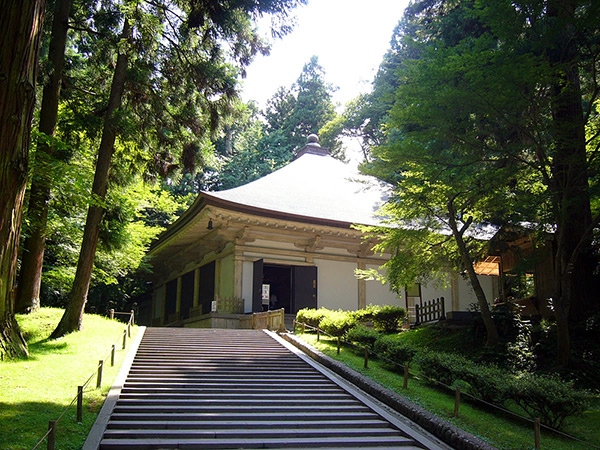 Hiraizumi ETemples, Gardens and Archaeological Sites Representing the Buddhist Pure Land
Over the course of the 12th century, Hiraizumi was a political and administrative center established in the northern part of Japan’s main island of Honshû, in what was then a borderland between the territories ruled by Japan’s central government and the regions farther to the north, and whose lively commerce with these regions served as its economic underpinning. The Oshu Fujiwara clan had its origins in the samurai traditions, and while on the strength of the tremendous wealth accumulated over four generations, the family did not rely solely on its military power. Rather, they built Hiraizumi with the aim of creating the Pure Land—a Buddhist conception of the ideal world. Hiraizumi came into being as the locus of a unique pattern of regional rule with a religious core. Read more >>
3.Nikko-Shrines and Temples(Tochigi)
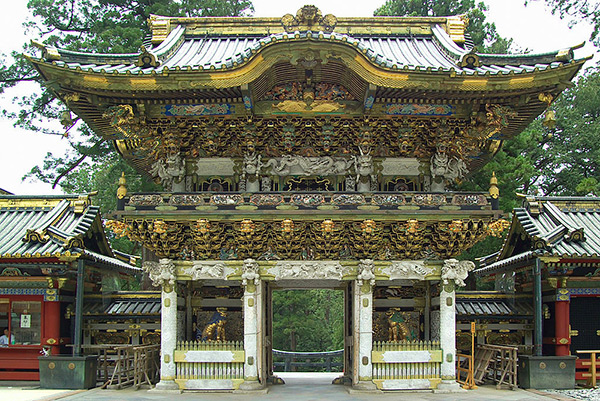 Nikko Toshogu is a Shinto shrine established in 1617 to enshrine Tokugawa Ieyasu, the first shogun of the Tokugawa shogunate. Ieyasu was born on December 26, 1542 in Okazaki Castle in Mikawa (present day Okazaki, Aichi Prefecture). After a great deal of hardship from an early age he succeeded in pacifying the country after a turbulent period of conflict and established the Tokugawa shogunate system in 1603. His actions brought order and organization to Japanese society while promoting scholarship and industry. Ieyasu laid the foundation for over 260 years of peace and culture during the Edo Period, greatly contributing to the development of modern Japan. Read more >>
4.Le Corbusier(Tokyo)
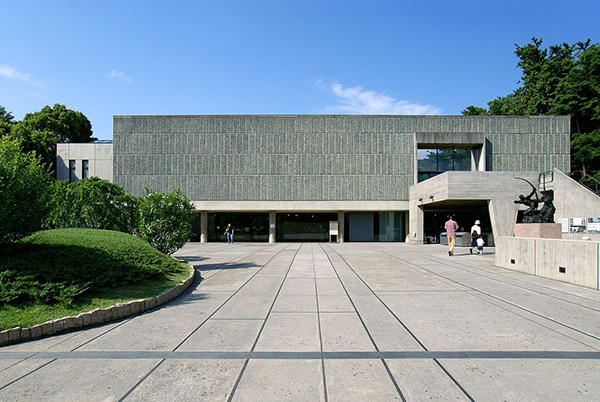 The National Museum of Western Art designed by Le Corbusier was the premier public art gallery in Japan specializing in art from the Western tradition. The Museum is located in the museum and zoo complex in Ueno Park in Taito, central Tokyo. The museum is also known by the English acronym NMWA (National Museum of Western Art). Read more >>
5.Mt.Fuji(Shizuoka,Yamanashi)
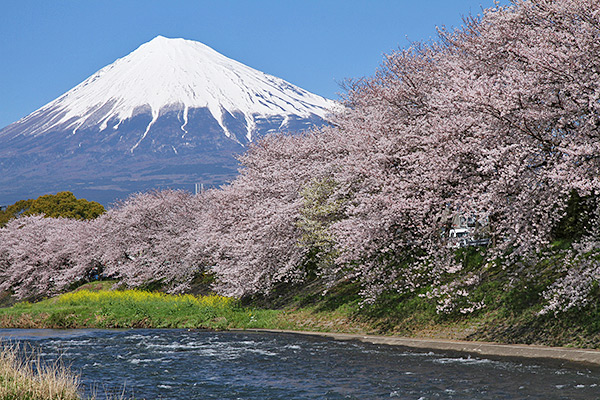 Fujisan, sacred place and source of artistic inspiration
The beauty of the solitary, often snow-capped, stratovolcano, known around the world as Mount Fuji, rising above villages and tree-fringed sea and lakes has long been the object of pilgrimages and inspired artists and poets. The inscribed property consists of 25 sites which reflect the essence of Fujisan’s sacred and artistic landscape. In the 12th century, Fujisan became the center of training for ascetic Buddhism, which included Shinto elements. On the upper 1,500-metre tier of the 3,776m mountain, pilgrim routes and crater shrines have been inscribed alongside sites around the base of the mountain including Sengen-jinja shrines, Oshi lodging houses, and natural volcanic features such as lava tree moulds, lakes, springs and waterfalls, which are revered as sacred. Its representation in Japanese art goes back to the 11th century, but 19th century woodblock prints of views, including those from sand beaches with pine tree groves have made Fujisan an internationally recognized icon of Japan and have had a deep impact on the development of Western art. Read more >>
6.Ogasawara(Tokyo)
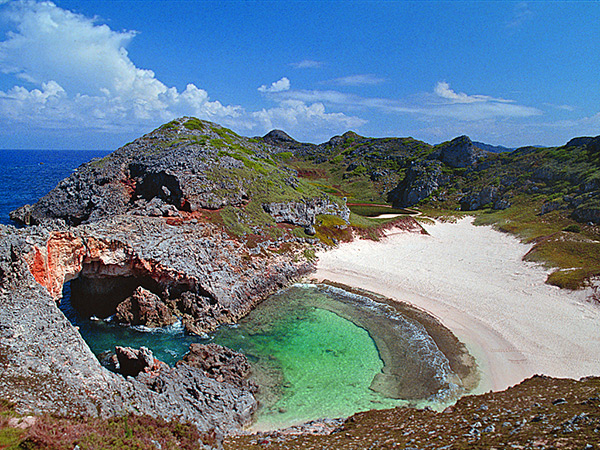 Ogasawara Islands
The property numbers more than 30 islands clustered in three groups and covers surface area of 7,939 hectares. The islands offer a variety of landscapes and are home to a wealth of fauna, including the Bonin Flying Fox, a critically endangered bat, and 195 endangered bird species. Four-hundred and forty-one native plant taxa have been documented on the islands whose waters support numerous species of fish, cetaceans and corals. Ogasawara Islands' ecosystems reflect a range of evolutionary processes illustrated through its assemblage of plant species from both southeast and northwest Asia, alongside many endemic species. Read more >>
7.Horyu-ji,Cultural Properties of Nara(Nara)
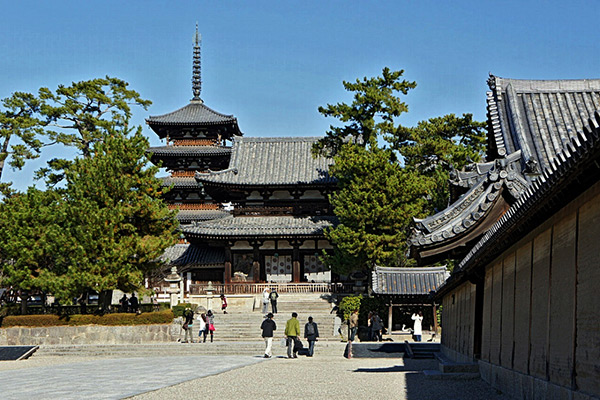 Buddhist Monuments in the Horyu-ji Area
There are around 48 Buddhist monuments in the Horyu-ji area in Nara Prefecture. Several date from the late 7th or early 8th century, making them some of the oldest surviving wooden buildings in the world.
These masterpieces of wooden architecture are important not only for the history of art, since they illustrate the adaptation of Chinese Buddhist architecture and layout to Japanese culture, but also for the history of religion, since their construction coincided with the introduction of Buddhism to Japan from China by way of the Korean Peninsula.
Read more >>
8.Kii Mountain Range Sacred Sites(Wakayama,etc.)
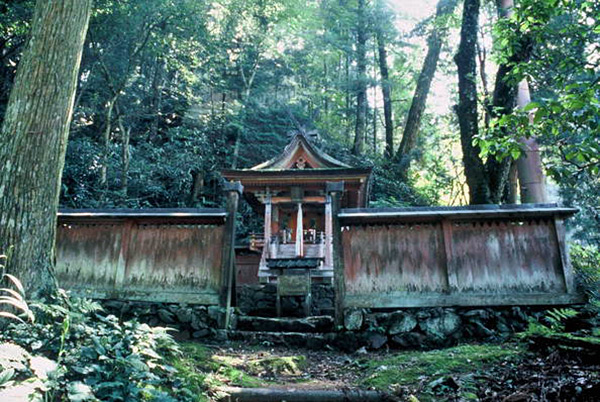 Sacred Sites and Pilgrimage Routes in the Kii Mountain Range
Set in the dense forests of the Kii Mountains overlooking the Pacific Ocean, three sacred sites Yoshino and Omine, Kumano Sanzan, Koyasan linked by pilgrimage routes to the ancient capital cities of Nara and Kyoto, reflect the fusion of Shinto, rooted in the ancient tradition of nature worship in Japan, and Buddhism, which was introduced from China and the Korean Peninsula. The sites (506.4 ha) and their surrounding forest landscape reflect a persistent and extraordinarily well-documented tradition of sacred mountains over 1,200 years. The area, with its abundance of streams, rivers and waterfalls, is still part of the living culture of Japan and is much visited for ritual purposes and hiking, with up to 15 million visitors annually. Each of the three sites contains shrines, some of which were founded as early as the 9th century. Read more >>
9.Himeji Castle(Hyogo)
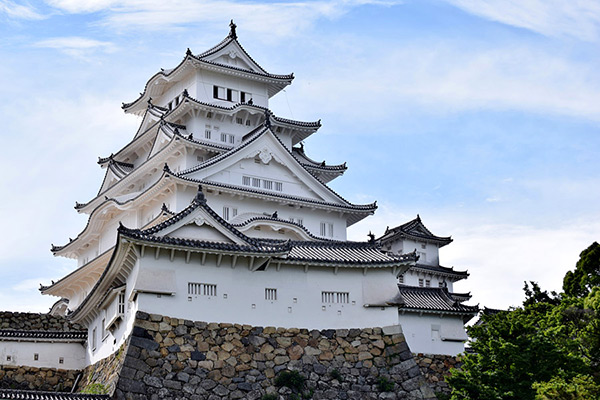 Himeji-jo
Himeji-jo is the finest surviving example of early 17th-century Japanese castle architecture, comprising 83 buildings with highly developed systems of defense and ingenious protection devices dating from the beginning of the Shogun period. It is a masterpiece of construction in wood, combining function with aesthetic appeal, both in its elegant appearance unified by the white plastered earthen walls and in the subtlety of the relationships between the building masses and the multiple roof layers. Read more >>
10.Atomic Bomb Dome・Itsukushima Shrine(Hiroshima)
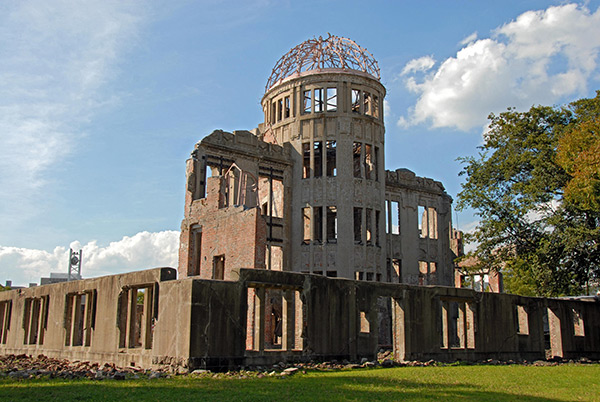 Hiroshima Peace Memorial (Gembaku Dome)
The Hiroshima Peace Memorial (Gembaku Dome) was the only structure left standing in the area where the first atomic bomb exploded on August6, 1945. Through the efforts of many people, including those of the City of Hiroshima, it has been preserved in the same state as immediately after the bombing. Not only is it a stark and powerful symbol of the most destructive force ever created by humankind, it also expresses the hope for world peace and the ultimate elimination of all nuclear weapons. Read more >>
11.Yakushima(Kagoshima)
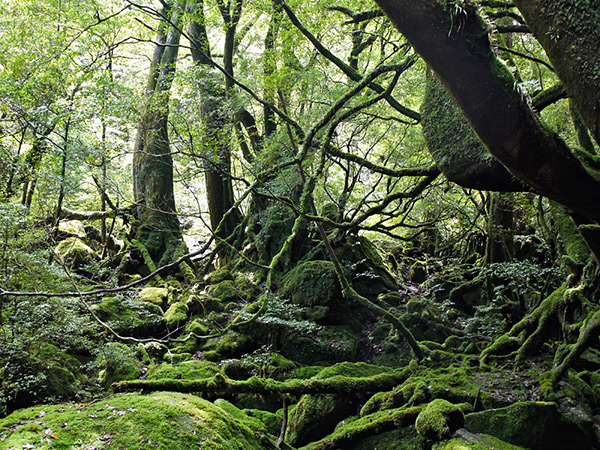 Yakushima
Located in the interior of Yaku Island, at the meeting-point of the palaearctic and oriental biotic regions, Yakushima exhibits a rich flora, with some 1,900 species and subspecies, including ancient specimens of the sugi (Japanese cedar). It also contains a remnant of a warm-temperate ancient forest that is unique in this region. Read more >>
12.The Kingdom of Ryukyu Gusuku(Okinawa)
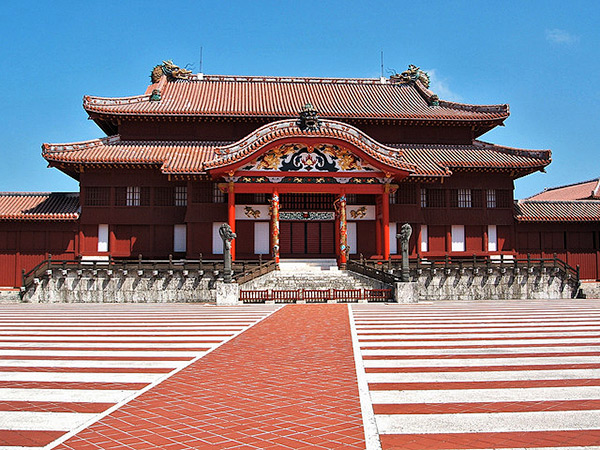 Gusuku Sites and Related Properties of the Kingdom of Ryukyu
Five hundred years of Ryukyuan history (12th-17th century) are represented by this group of sites and monuments. The ruins of the castles, on imposing elevated sites, are evidence for the social structure over much of that period, while the sacred sites provide mute testimony to the rare survival of an ancient form of religion into the modern age. The wide- ranging economic and cultural contacts of the Ryukyu Islands over that period gave rise to a unique culture. Read more >>
13.Sites of Japan’s Meiji Industrial Revolution
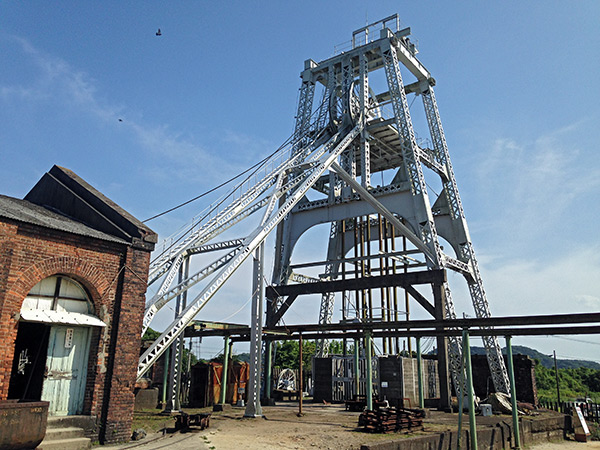 Sites of Japan’s Meiji Industrial Revolution: Iron and Steel, Shipbuilding and Coal Mining, not only holds structural value within itself but also, holds historic value in terms of world history as it demonstrates the rapid growth Japan had gone through just in roughly 50 years. It was the first successful adaptation of the western industrial technology by a non-western nation. The monuments were desighated for inscription on the UNESCO World Heritage List in July2015. Two of the locations are in Fukuoka Prefecture - Miike Coal Mine in Omuta City and Yawata Steel Works of Kitakyushu City. Read more >>
14.Okinoshima(Fukuoka)
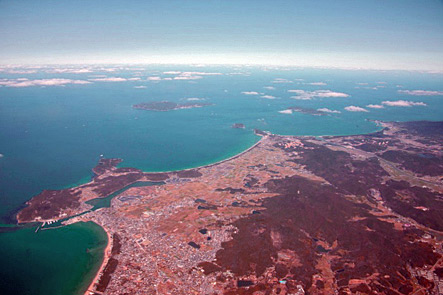 Sacred Island of Okinoshima and Associated Sites in the Munakata Region
Located 60 km off the western coast of Kyushu island, the island of Okinoshima is an exceptional example of the tradition of worship of a sacred island. The archaeological sites that have been preserved on the island are virtually intact, and provide a chronological record of how the rituals performed there changed from the AD4th to the 9th centuries. In these rituals, votive objects were deposited as offerings at different sites on the island. Many of them are of exquisite workmanship and had been brought from overseas, providing evidence of intense exchanges between the Japanese archipelago, the Korean Peninsula and the Asian Continent. Integrated within the Grand Shrine of Munakata, the island of Okinoshima is considered sacred to this day. Read more >>
15.Iwami Silver Mine(Shimane)
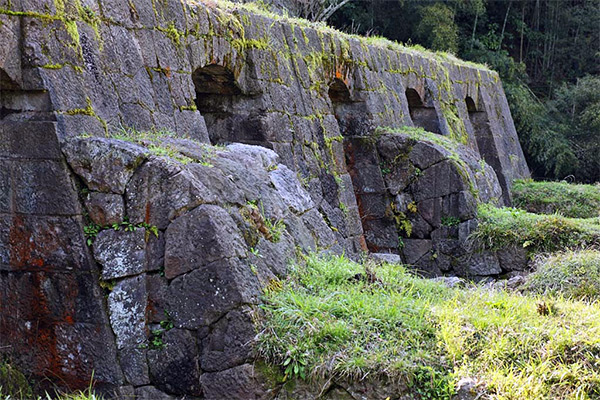 Iwami Ginzan Silver Mine and its Cultural Landscape
The Iwami Ginzan Silver Mine in the south-west of Honshu Island is a cluster of mountains, rising to 600 m and interspersed by deep river valleys featuring the archaeological remains of large-scale mines, smelting and refining sites and mining settlements worked between the 16th and 20th centuries. The site also features routes used to transport silver ore to the coast, and port towns from where it was shipped to Korea and China. The mines contributed substantially to the overall economic development of Japan and south-east Asia in the 16th and 17th centuries, prompting the mass production of silver and gold in Japan. The mining area is now heavily wooded. Included in the site are fortresses, shrines, parts of Kaidô transport routes to the coast, and three port towns, Tomogaura, Okidomari and Yunotsu, from where the ore was shipped.
Read more >>
16.Ancient Capital of Kyoto(Kyoto,Shiga)
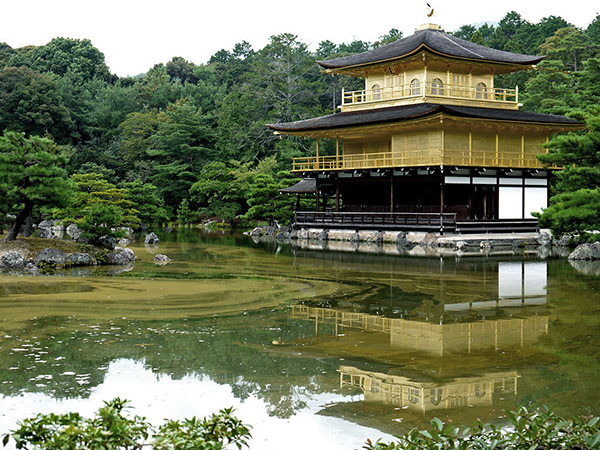 Historic Monuments of Ancient Kyoto (Kyoto, Uji and Otsu Cities)
Built in A.D. 794 on the model of the capitals of ancient China, Kyoto was the imperial capital of Japan from its foundation until the middle of the 19th century. As the center of Japanese culture for more than 1,000 years, Kyoto illustrates the development of Japanese wooden architecture, particularly religious architecture, and the art of Japanese gardens, which has influenced landscape gardening the world over. Read more >>
17.Shirakawago(Gifu)
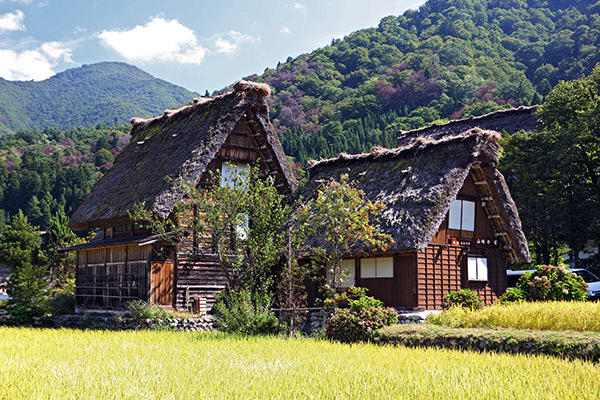 Historic Villages of Shirakawa-go and Gokayama
Located in a mountainous region that was cut off from the rest of the world for a long period of time, these villages with their Gassho-style houses subsisted on the cultivation of mulberry trees and the rearing of silkworms. The large houses with their steeply pitched thatched roofs are the only examples of their kind in Japan. Despite economic upheavals, the villages of Ogimachi, Ainokura and Suganuma are outstanding examples of a traditional way of life perfectly adapted to the environment and people's social and economic circumstances.
Read more >>
18.Tomioka Silk Mill Site(Gunma)
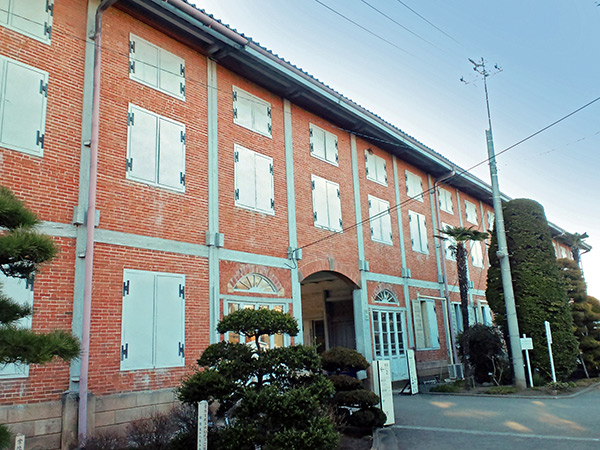 Tomioka Silk Mill and Related Sites
This property is a historic sericulture and silk mill complex established in the late 19th and early 20th centuries in the Gunma Prefecture, north-west of Tokyo. It consists of four sites that correspond to the different stages in the production of raw silk: a large raw silk reeling plant whose machinery and industrial expertise were imported from France; an experimental farm for production of cocoons; a school for the dissemination of sericulture knowledge; and a cold-storage facility for silkworm eggs. The site illustrates Japan’s desire to rapidly access the best mass production techniques, and became a decisive element in the renewal of sericulture and the Japanese silk industry in the last quarter of the 19th century. Tomioka Silk Mill and its related sites became the center of innovation for the production of raw silk and marked Japan’s entry into the modern, industrialized era, making it the world’s leading exporter of raw silk, notably to Europe and the United States. Read more >>
19.Shirakami Mountains(Aomori,Akita)
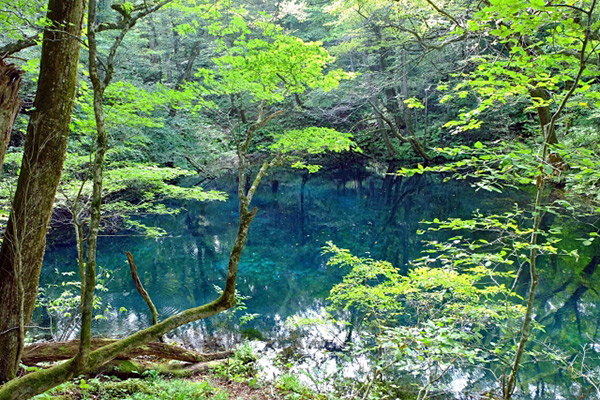 Shirakami-Sanchi
Situated in the mountains of northern Honshu, this trackless site includes the last virgin remains of the cool-temperate forest of Siebold's beech trees that once covered the hills and mountain slopes of northern Japan. The black bear, the serow and 87 species of birds can be found in this forest. Read more >>