

Tokyo Area<< >> Osaka Area
Ginza and Tsukiji
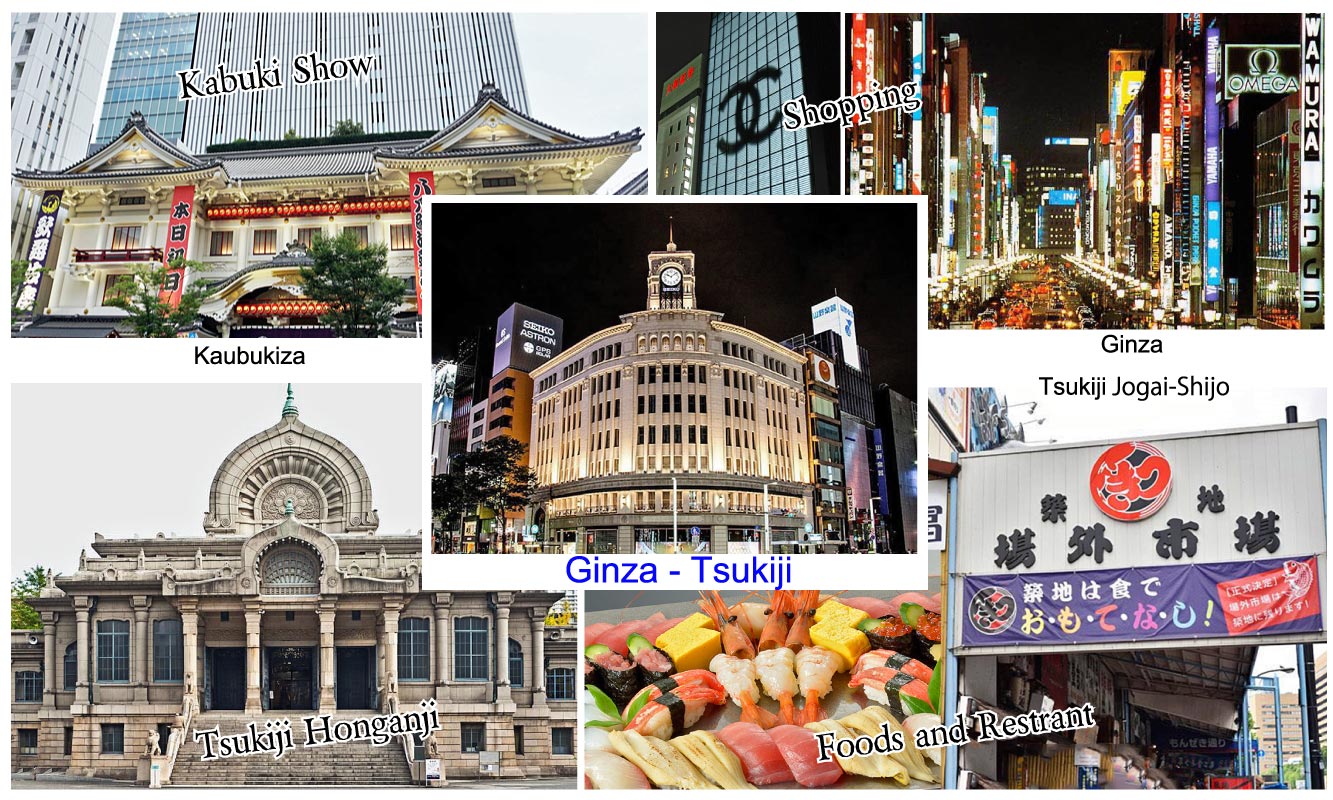

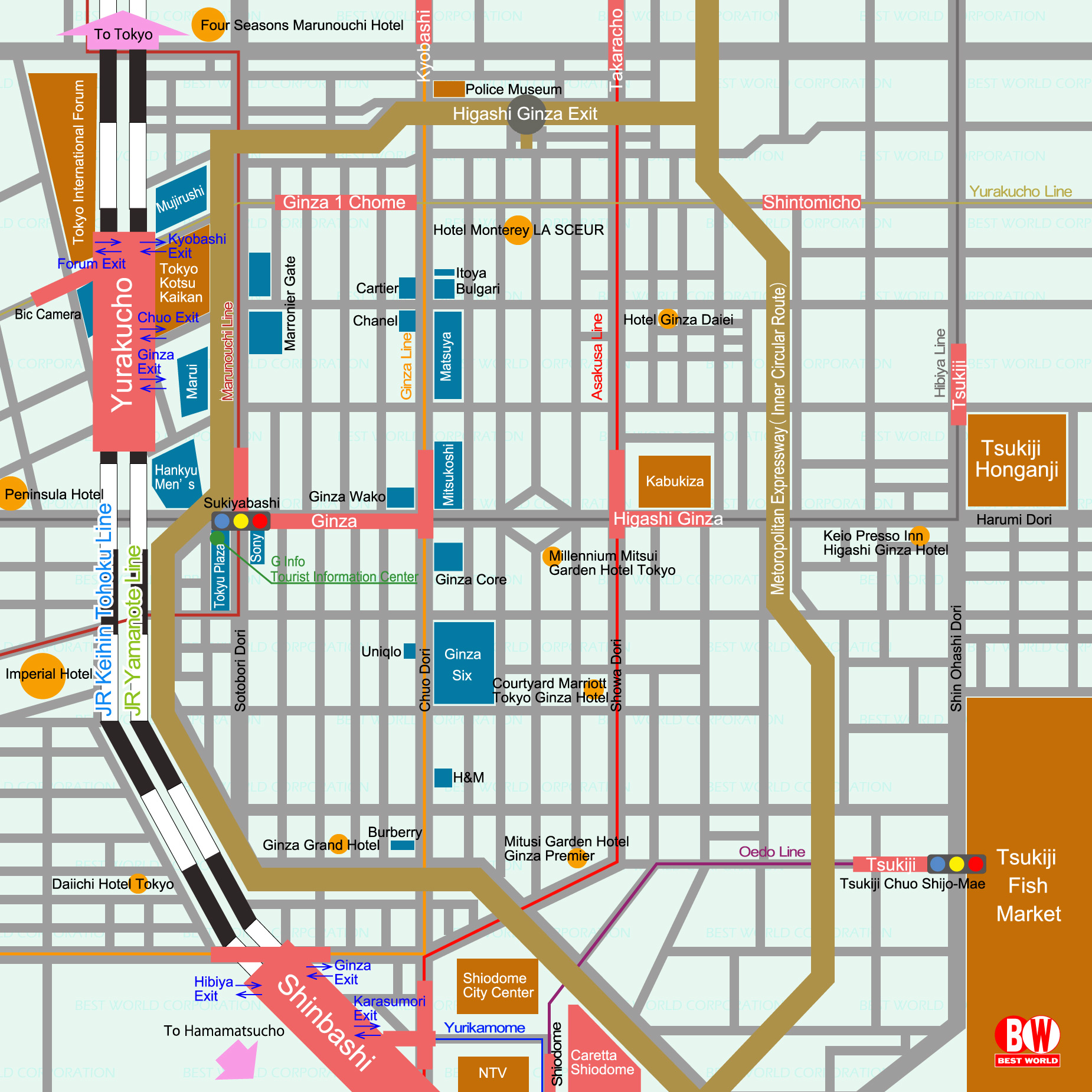
Ginza in the Edo Period
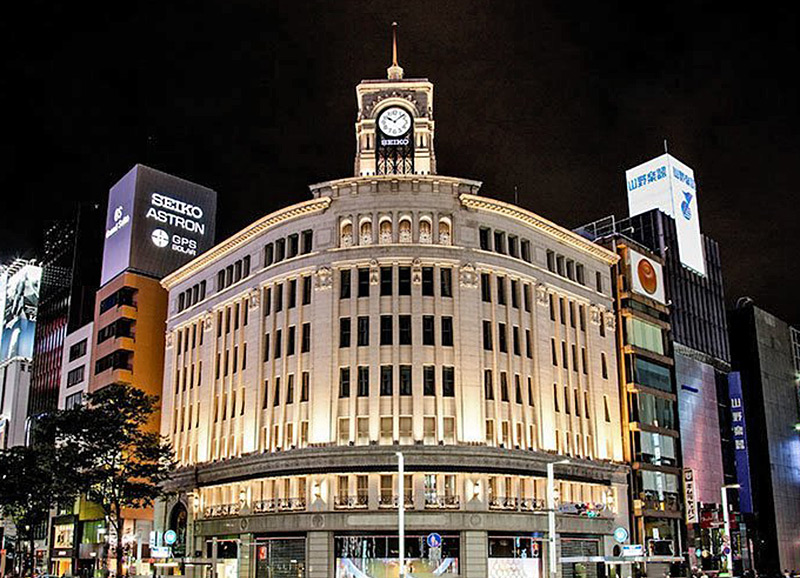 The district name, “Ginza” originated from the Ginza Yakusho (government office) in the Edo period. In 1603, the Edo Shogunate founded by Tokugawa Ieyasu moved the silver coin mint from Sunpu to its current location of Ginza 2-Chome. The town’s official name was Shin-ryogae-cho (meaning “new money exchange town”), but it came to be known colloquially as “Ginza.”
Some people say that Ginza used to be in the ocean, but it is not the case that the entire Ginza perimeter was completely submerged prior to the Edo period. It is thought that what is known as “Ginza” today was low marshes at the tip of a peninsula called Edomaejima largely jutting out from Tokyo Bay. The building of Edo city then began with the reclaiming of these marshes, Hibiya inlet and the Tsukiji area.(Quotations from ginza.jp)
The district name, “Ginza” originated from the Ginza Yakusho (government office) in the Edo period. In 1603, the Edo Shogunate founded by Tokugawa Ieyasu moved the silver coin mint from Sunpu to its current location of Ginza 2-Chome. The town’s official name was Shin-ryogae-cho (meaning “new money exchange town”), but it came to be known colloquially as “Ginza.”
Some people say that Ginza used to be in the ocean, but it is not the case that the entire Ginza perimeter was completely submerged prior to the Edo period. It is thought that what is known as “Ginza” today was low marshes at the tip of a peninsula called Edomaejima largely jutting out from Tokyo Bay. The building of Edo city then began with the reclaiming of these marshes, Hibiya inlet and the Tsukiji area.(Quotations from ginza.jp)
G Info(Tourist Information Center)
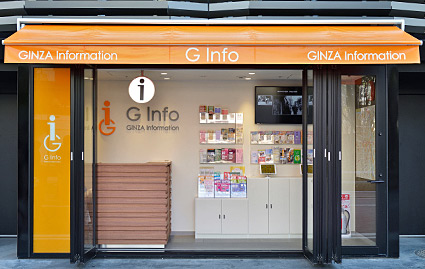 G Info is Tourist Information to help people enjoy Ginza.In addition to information on food and shopping,we provide a variety of useful and interesting information about Ginza.English and Chinese(According to the day) assistance is available for overseas visitors.
(Quotations from ginza.jp)
G Info is Tourist Information to help people enjoy Ginza.In addition to information on food and shopping,we provide a variety of useful and interesting information about Ginza.English and Chinese(According to the day) assistance is available for overseas visitors.
(Quotations from ginza.jp)
Tokyo Kotsu Kaikan
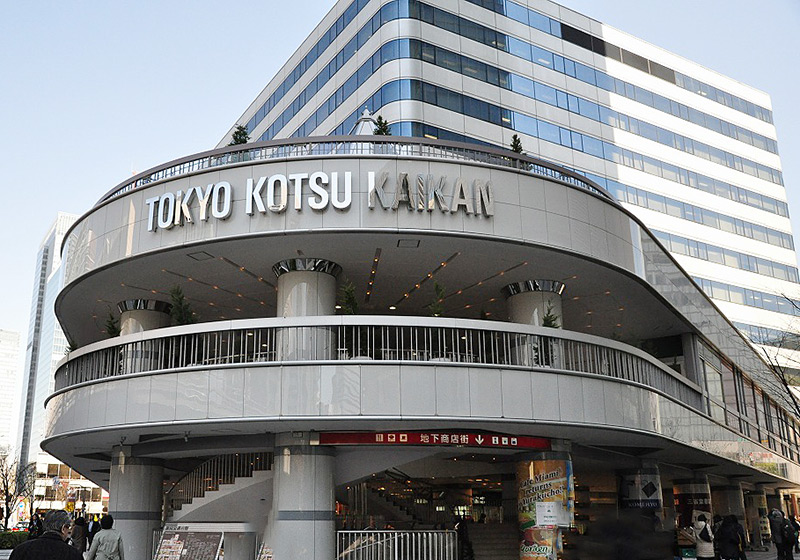 Tokyo Kotsu Kaikan(Tokyo traffic hall)
Trade name: Tokyo traffic hall
Location: Chiyoda-ku, Tokyo Yurakucho chome 10th No. 1
Establishment: 1963 June 3,
Equipment:Revolving restaurant,Event hall,Office floor,shopping mall
Please refer to kotsukaikan.co.jp
Tokyo International Forum
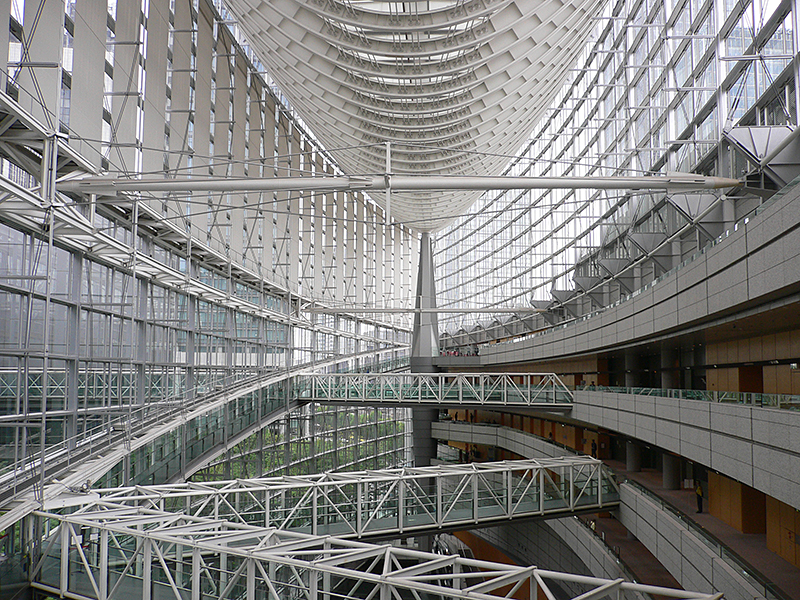 The Tokyo International Forum, which is located in Tokyo's central Marunouchi district, is a convention and arts center equipped with a range of facilities including 8 small-to-large-size halls, 34 conference rooms, a symbolic glass atrium, a refreshing and plant-filled ground-level plaza, a variety of shops and restaurants, and an art museum. The Forum is visited by more than 20 million people each year, and it serves as a center for promoting and communicating comprehensive culture and information.
(Quotations from t-i-forum.co.jp)
The Tokyo International Forum, which is located in Tokyo's central Marunouchi district, is a convention and arts center equipped with a range of facilities including 8 small-to-large-size halls, 34 conference rooms, a symbolic glass atrium, a refreshing and plant-filled ground-level plaza, a variety of shops and restaurants, and an art museum. The Forum is visited by more than 20 million people each year, and it serves as a center for promoting and communicating comprehensive culture and information.
(Quotations from t-i-forum.co.jp)
Please refer to t-i-forum.co.jp
Tokyu Plaza Ginza
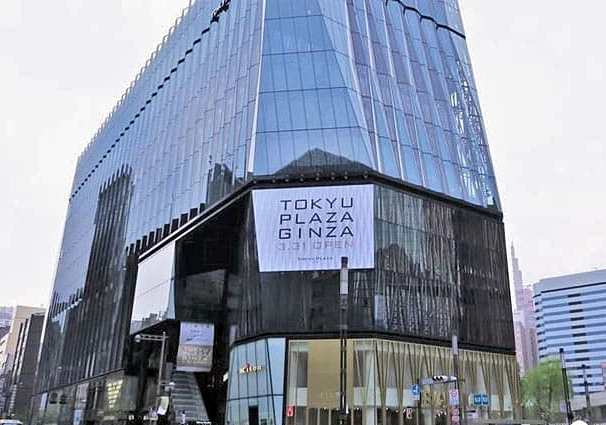 Here at Tokyu Plaza Ginza you can experience aculture that encourages the spirit of making things well, from the variety-filled food culture of japan to fashion items made from excellent craftmanship.Enjoy an elegant moment in this new Ginza landmark.
(Quotations from ginza.tokyu-plaza.com)
Here at Tokyu Plaza Ginza you can experience aculture that encourages the spirit of making things well, from the variety-filled food culture of japan to fashion items made from excellent craftmanship.Enjoy an elegant moment in this new Ginza landmark.
(Quotations from ginza.tokyu-plaza.com)
Please refer to ginza.tokyu-plaza.com
Luxury Brand Shops.
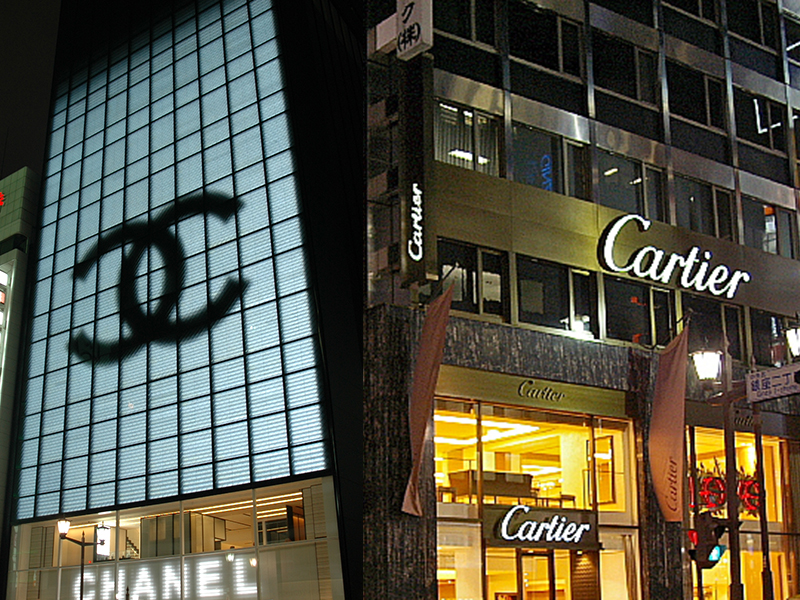 ・CHANEL GINZA
Please refer to chanel-ginza.com Location:3-5-3 Ginza, Chuo-ku, Tokyo 104-0061
Open:12:00-7:30pm
・CHANEL GINZA
Please refer to chanel-ginza.com Location:3-5-3 Ginza, Chuo-ku, Tokyo 104-0061
Open:12:00-7:30pm
・Cartier Ginza
Please refer to cartier.jp
Location:2-6-12 Ginza, Chuo-ku, Tokyo 104-0061
Open:12:00-8:00pm(Monday-Friday) 11:00-8:00PM(Saturday,Sunday)
・Bulrgari Ginza Please refer to bulgari.com
Location:4-6-16 Ginza, Chuo-ku, Tokyo 104-0061
Kabukiza Theatre
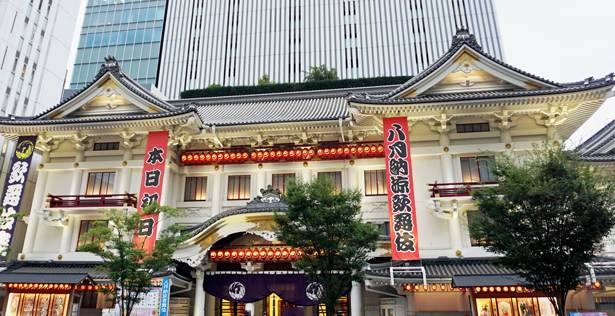 The theatre is located in Ginza Area in Tokyo.
Address: Ginza 4-12-15, Chuo-ku, Tokyo, Japan
Phone +81 (0)3-3545-6800 (10:00AM-6:00PM)
Tsukiji Honganji
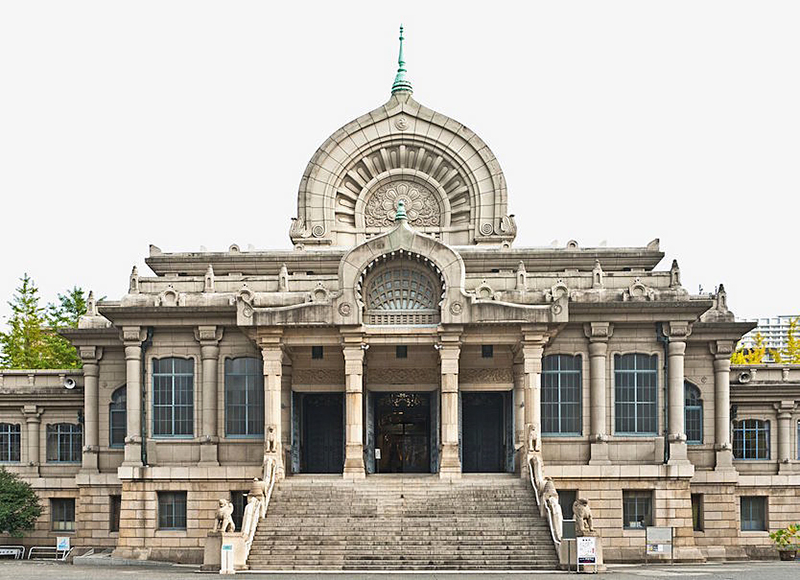 The Tsukiji Hongwanji Buddhist Temple is a branch temple of the Jodo Shinshu Hongwanji-ha denomination, commonly known as Nishi Hongwanji of which the Mother Temple, or Honzan, is located in Kyoto.(Quotations from tsukijihongwanji.jp)
Please refer to tsukijihongwanji.jp
Tsukiji Fish Market
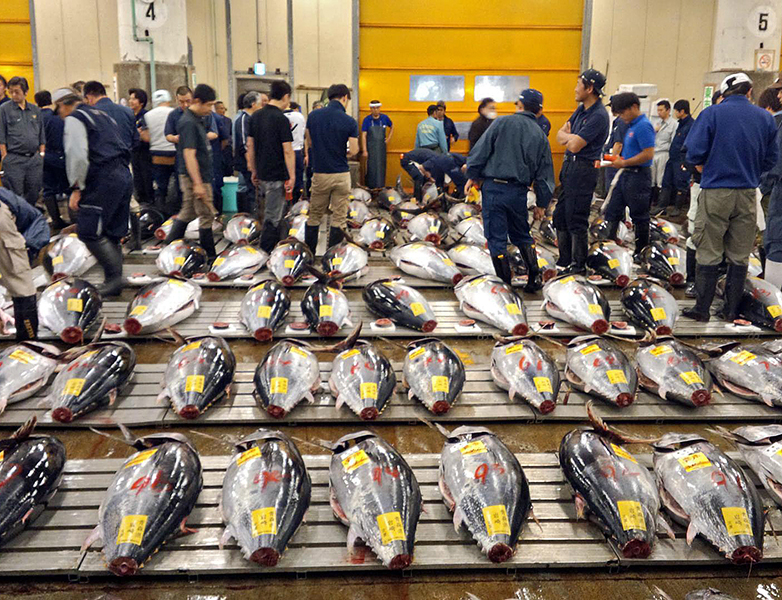 It is said that "Uogashi" or a riverside fish market dates back to the 16th century, the beginning of the Edo period. Tokugawa Ieyasu, the first Tokugawa shogun and builder of Edo as is now Tokyo, invited fishermen from Tsukudajima, Osaka and gave them a privilege for fishing in order to let them supply seafood to Edo Castle. The fishermen purveyed fish to the Castle and sold the remains near the Nihonbashi bridge. It was the origin of Uogashi. Then, to meet the growing demand for fish with the increase in population, Nihonbashi Uogashi was reformed and developed into a market. The market was lead by wholesale merchants licensed by the Shogunate who bought fish from local ports, sold them to jobbers in the market and thus built up a large fortune, forming their own distributing network. Vegetables markets handling vegetables gathered in the suburbs of Edo were established in Kanda, Senju and Komagome: the Edo's three big vegetable markets. The markets attained prosperity led by wholesalers and jobbers like fish markets. During the Edo period the market price was determined chiefly by negotiated transactions between sellers and buyers. Public auction was hardly taken place except in vegetable markets. In the Meiji and Taisho eras, the privilege of wholesale merchants were abolished. In 1923 some 20 private markets in Tokyo were destroyed almost completely by the Great Kanto Earthquake. After the earthquake, Tokyo City as it then was undertook to construct a central wholesale market on the bases of the Central Wholesale Market Law which had been promulgated in the same year. As a result, the three markets of Tsukiji, Kanda and Koto were founded and the growing population then led to a succession of new markets. (Quotations from tsukiji-market.or.jp)
Please refer to tsukiji-market.or.jp
Yurikamome(Accsess to Daiba and Ariake Areas)
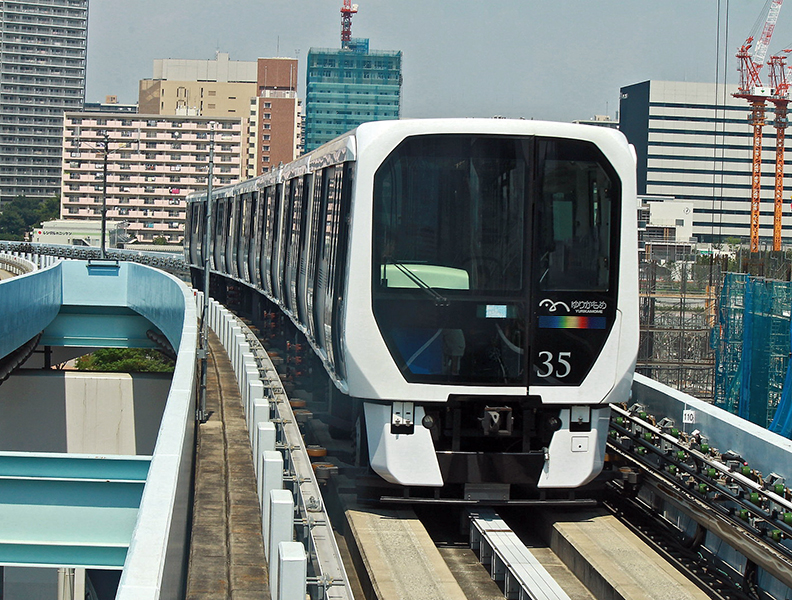 The New Transit Yurikamome (Shinkotsu Yurikamome) is a driverless, automated transit service linking Shimbashi Station in Shimbashi to Toyosu Station in Toyosu, via the entertainment and shopping district of Odaiba across the Rainbow Bridge in Tokyo. The entire length of the line is 14.7km.(Quotations from japanvisitor.com)