

Tokyo Area<< >> Osaka Area
Skytree(Asakusa)
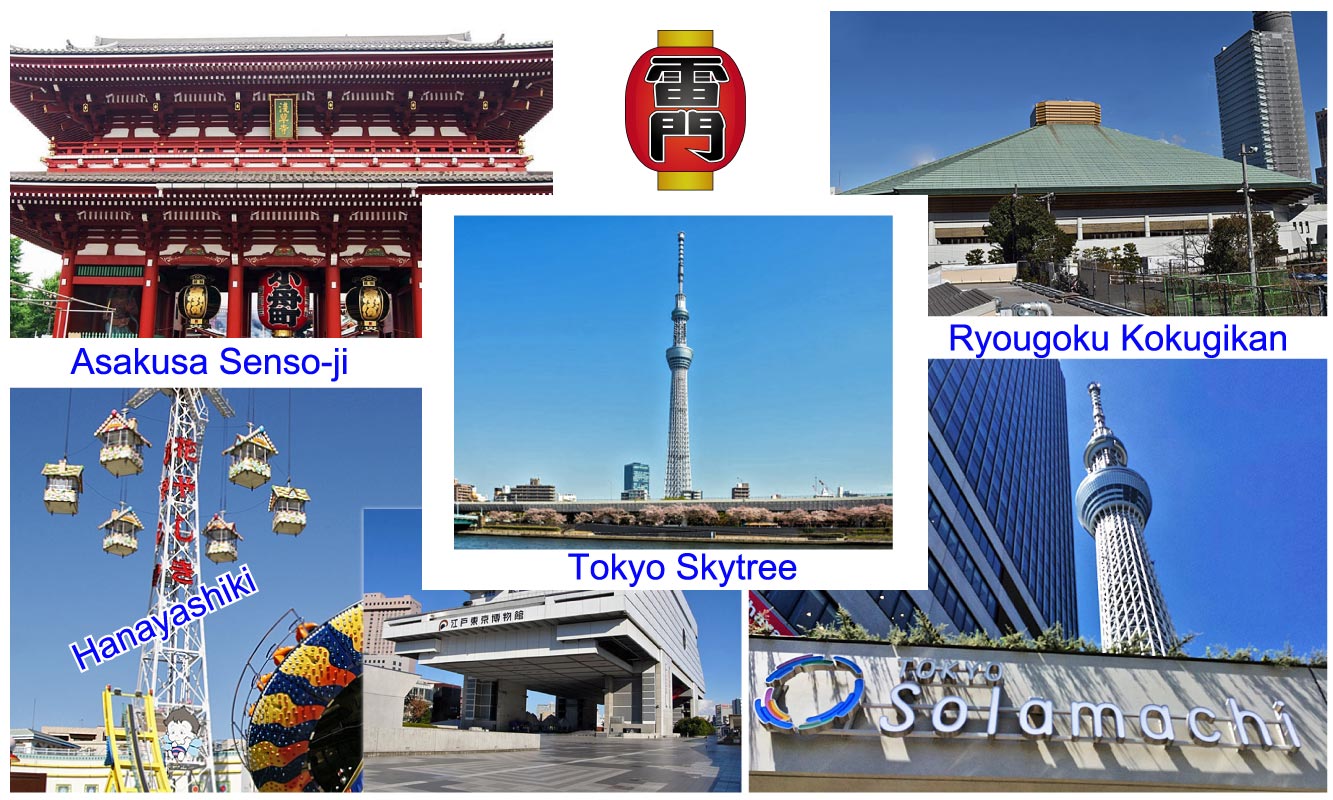
Tokyo SkyTree
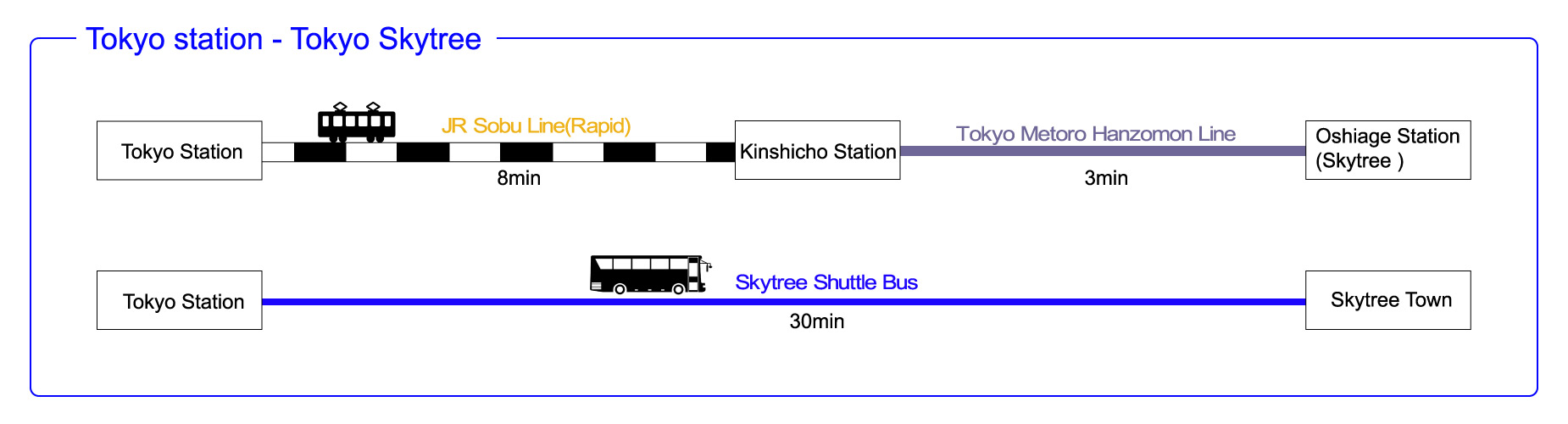
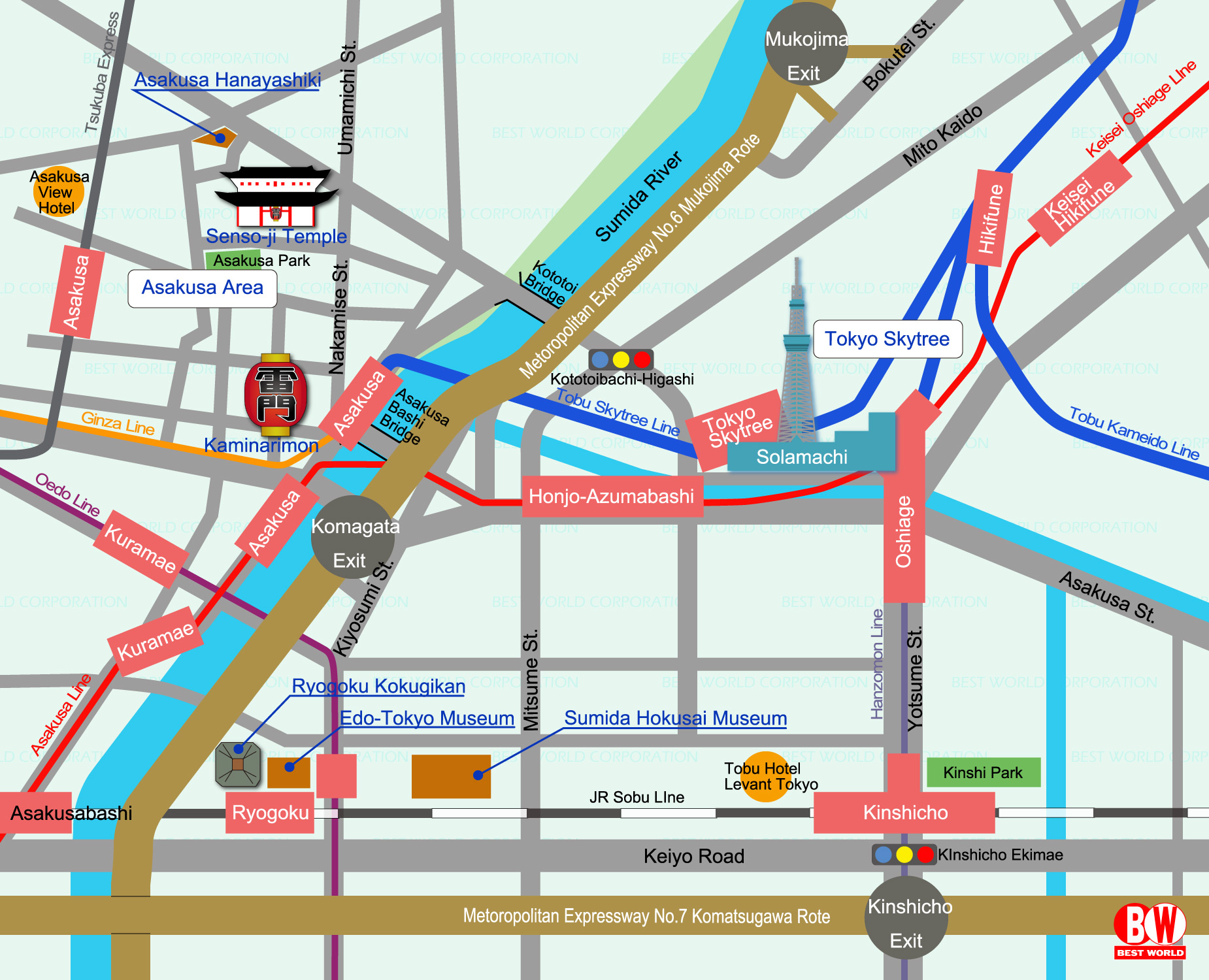
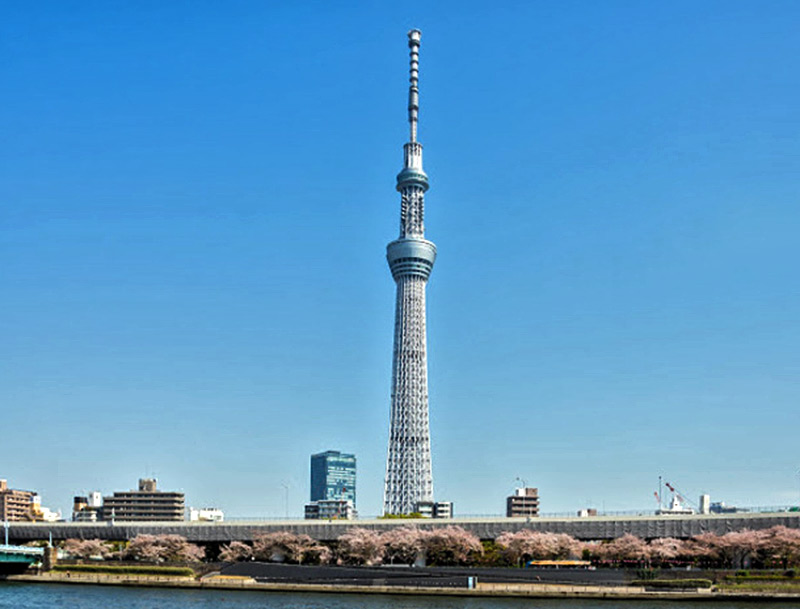 The Tokyo Skytree is a television broadcasting tower and landmark of Tokyo. It is the centerpiece of the Tokyo Skytree Town in the Sumida City Ward, not far away from Asakusa. With a height of 634 meters (634 can be read as "Musashi", a historic name of the Tokyo Region), it is the tallest structure in Japan and the second tallest in the world at the time of its completion. A large shopping complex with aquarium is located at its base.(Quotations from japan-guide.com)
Please refer to tokyo-skytree.jp
Asakusa Senso-ji Temple
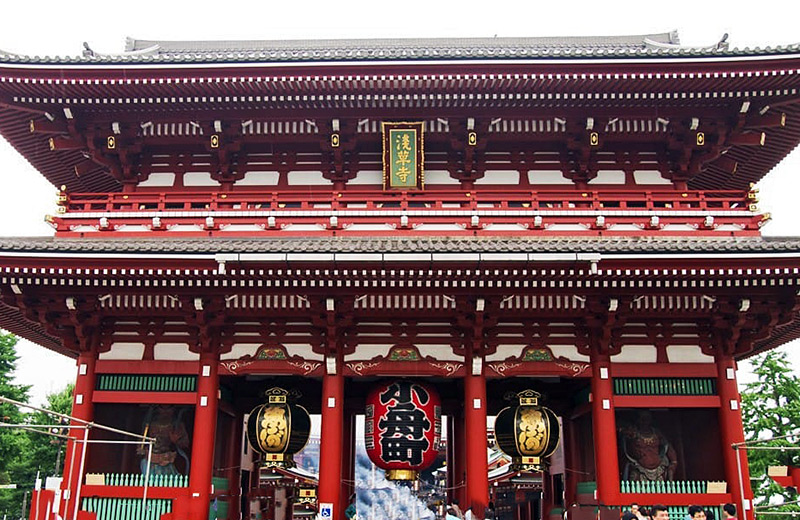 Sensoji (Sensōji, also known as Asakusa Kannon Temple) is a Buddhist temple located in Asakusa. It is one of Tokyo's most colorful and popular temples.
The legend says that in the year 628, two brothers fished a statue of Kannon, the goddess of mercy, out of the Sumida River, and even though they put the statue back into the river, it always returned to them. Consequently, Sensoji was built nearby for the goddess of Kannon. The temple was completed in 645, making it Tokyo's oldest temple.(Quotations from japan-guide.com)
Sensoji (Sensōji, also known as Asakusa Kannon Temple) is a Buddhist temple located in Asakusa. It is one of Tokyo's most colorful and popular temples.
The legend says that in the year 628, two brothers fished a statue of Kannon, the goddess of mercy, out of the Sumida River, and even though they put the statue back into the river, it always returned to them. Consequently, Sensoji was built nearby for the goddess of Kannon. The temple was completed in 645, making it Tokyo's oldest temple.(Quotations from japan-guide.com)
Please refer to japan-guide.com
Asakusa Hanayashiki
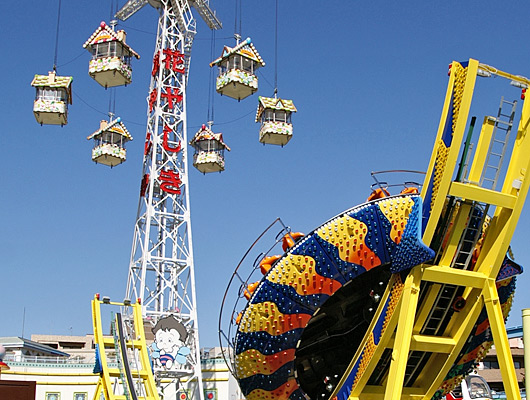 Hanayashiki was opened as a flower park in 1853, when Commodore of the US Navy Matthew Calbraith Perry visited our country in the late Edo era. Nowadays, Hanayashiki is operating as an amusement park where it is overflowing with 20 kinds of attractions and lunchrooms. Shops in the park also have a wide range of souvenirs, like park original goods.
(Quotations from hanayashiki.net)
Hanayashiki was opened as a flower park in 1853, when Commodore of the US Navy Matthew Calbraith Perry visited our country in the late Edo era. Nowadays, Hanayashiki is operating as an amusement park where it is overflowing with 20 kinds of attractions and lunchrooms. Shops in the park also have a wide range of souvenirs, like park original goods.
(Quotations from hanayashiki.net)
Please refer to hanayashiki.net
Ryogoku Kokugikan
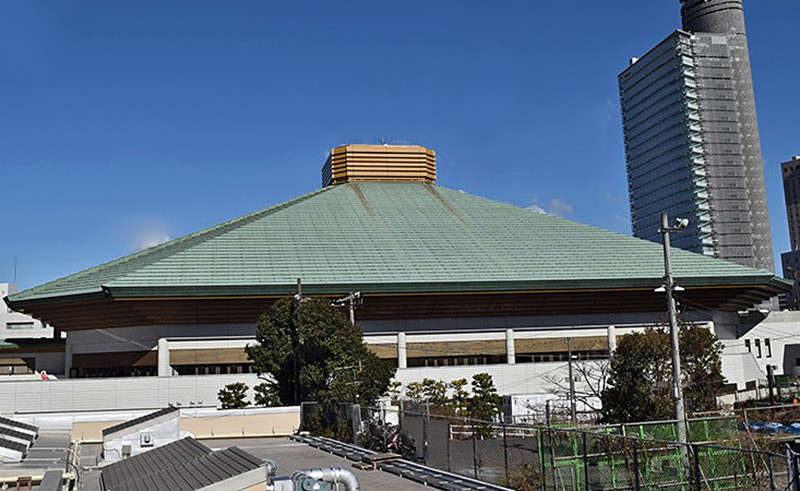 In 1909, the first permanent sumo hall was built in the Ryogoku area. Today's sumo stadium, the Kokugikan, is the fourth built in Tokyo and has been in use since 1985. It seats over 10,000 visitors and hosts three of the six annual sumo tournaments (in January, May and September).(Quotations from japan-guide.com)
Please refer to japan-guide.com
Edo Tokyo Museum
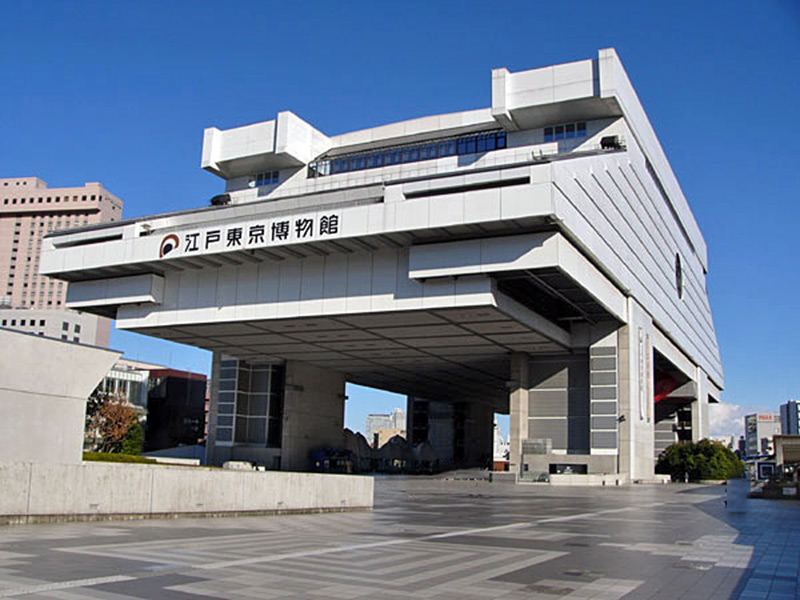 The Tokyo Metropolitan Edo-Tokyo Museum opened its doors in March 1993 as a space to reflect on the history and culture of Edo-Tokyo and envision the city and life of the future. Housed in a unique building modeled after an elevated-floor type warehouse, the museum has been a landmark and popular tourist attraction in Tokyo since its opening.
The permanent exhibition, showcasing original objects and replicas, offers visitors a journey through the 400-year history of Edo-Tokyo since Tokugawa Ieyasu entered Edo. In addition to the permanent exhibition, the museum holds special exhibitions at the first floor gallery five to six times a year and carries out various other events, including lectures and workshops on the history and culture of Edo-Tokyo.(Quotations from edo-tokyo-museum.or.jp)
The Tokyo Metropolitan Edo-Tokyo Museum opened its doors in March 1993 as a space to reflect on the history and culture of Edo-Tokyo and envision the city and life of the future. Housed in a unique building modeled after an elevated-floor type warehouse, the museum has been a landmark and popular tourist attraction in Tokyo since its opening.
The permanent exhibition, showcasing original objects and replicas, offers visitors a journey through the 400-year history of Edo-Tokyo since Tokugawa Ieyasu entered Edo. In addition to the permanent exhibition, the museum holds special exhibitions at the first floor gallery five to six times a year and carries out various other events, including lectures and workshops on the history and culture of Edo-Tokyo.(Quotations from edo-tokyo-museum.or.jp)
Please refer to edo-tokyo-museum.or.jp
Sumida Hokusai Museum
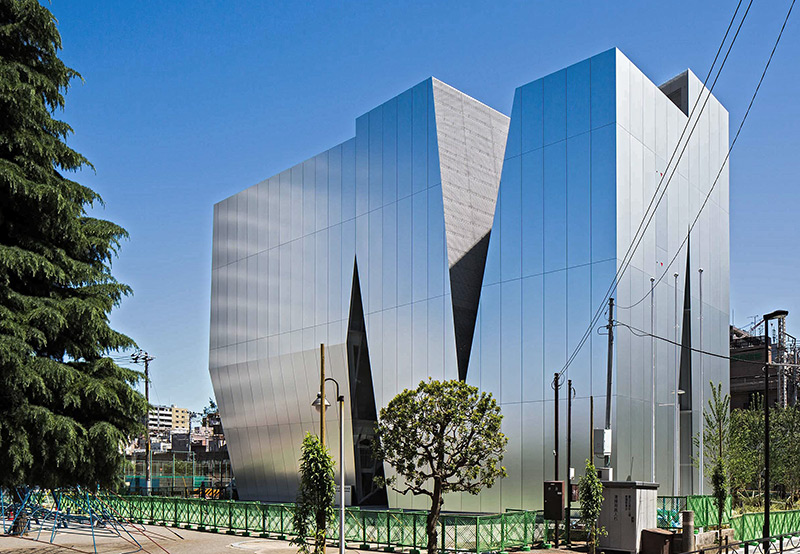 The Sumida Hokusai Museum to Continue Growing while Sending Out Information on Hokusai to the Local Community and the World.
Katsushika Hokusai, a world-renowned ukiyo-e artist, was born in Honjo-Wari-Gesui (presently the Kamezawa area in Sumida Ward, Tokyo) in 1760 and spent almost the entire 90 years of his life in Sumida Ward where he created a large number of masterpieces.
In honor of this outstanding artist whom many local citizens are truly proud of, the Sumida Ward opened the Sumida Hokusai Museum on November 22, 2016 as a base to invigorate the local community and contribute to the region’s industry and tourism.(Quotations from hokusai-museum.jp)
The Sumida Hokusai Museum to Continue Growing while Sending Out Information on Hokusai to the Local Community and the World.
Katsushika Hokusai, a world-renowned ukiyo-e artist, was born in Honjo-Wari-Gesui (presently the Kamezawa area in Sumida Ward, Tokyo) in 1760 and spent almost the entire 90 years of his life in Sumida Ward where he created a large number of masterpieces.
In honor of this outstanding artist whom many local citizens are truly proud of, the Sumida Ward opened the Sumida Hokusai Museum on November 22, 2016 as a base to invigorate the local community and contribute to the region’s industry and tourism.(Quotations from hokusai-museum.jp)