

15.Iwami Silver Mine(Shimane)
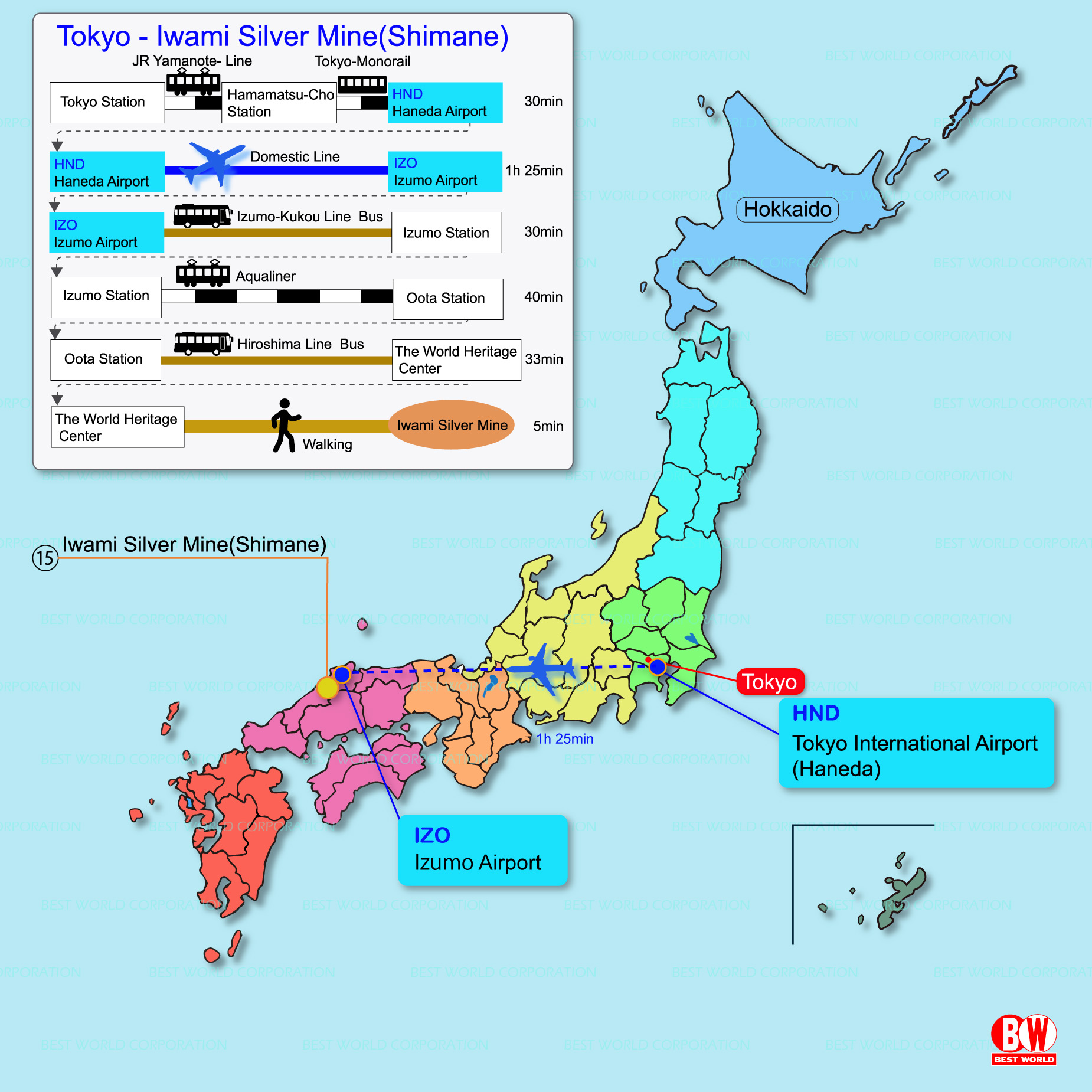
Iwami Ginzan Silver Mine and its culture landscape
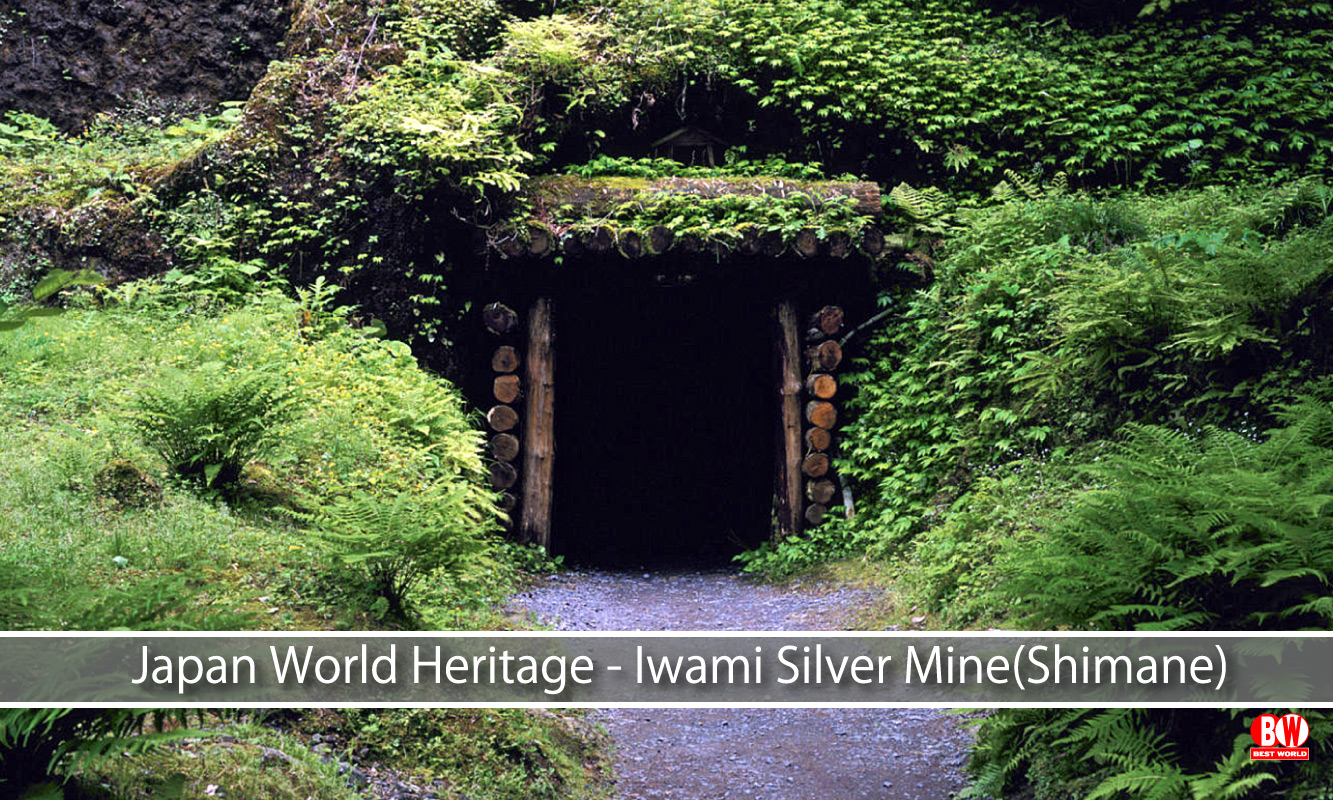
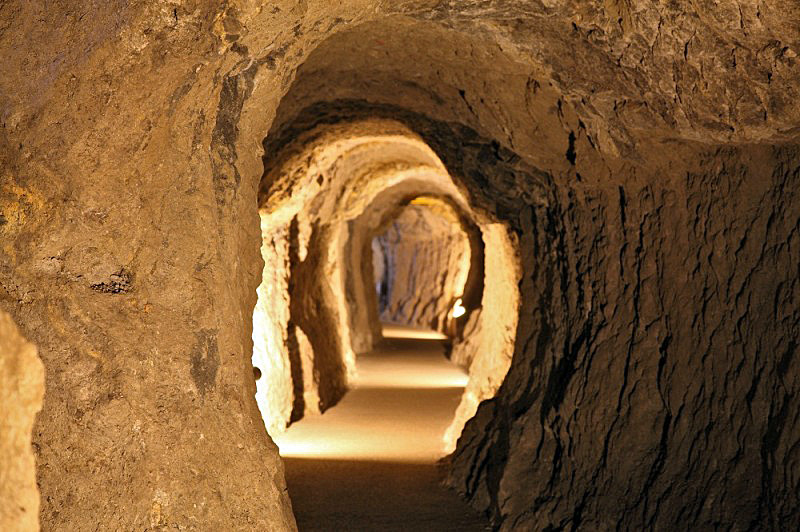 Iwami Ginzan Silver Mine and its culture landscape was resistered as the World Heritage Site in 2007. Iwami Ginzan Silver Mine was an active mine from the 16th to the 20th century. The fine quality of silver produced here had an influence on economics all over the world. This tour traces the remains of a mining town and the olds streets that once prospered as a town founded by silver.
haifuki-ho (cupellation method)
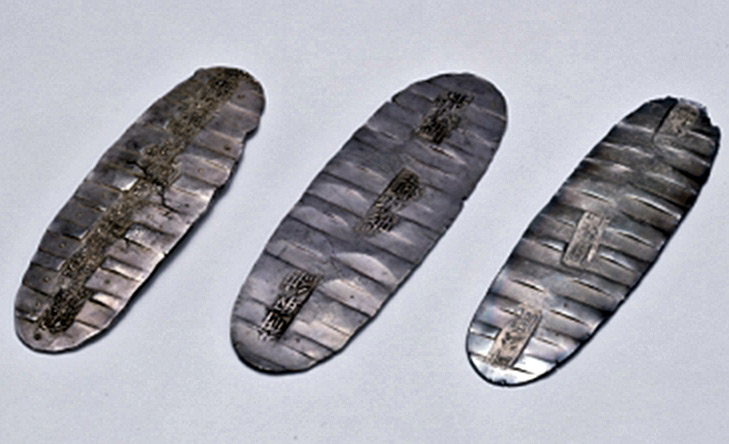 Such an extensive scale of production was made possible partly due to the refining technology known as the 'haifuki-ho' (cupellation method) which was introduced into Japan from the Korean Peninsula in 1533. In this method, silver ore and lead are melted into an alloyed metal, which is then placed on ash spread out in the furnace, and heated at a high temperature, with only silver extracted, for silver has the property not to oxidize easily. This advanced cupellation technique resulted in the successful extraction of large amount of silver; it spread nation wide from Iwami Ginzan Silver Mine, and led to the dramatic growth of Japan’s Yield of gold and silver.
Rakan-ji
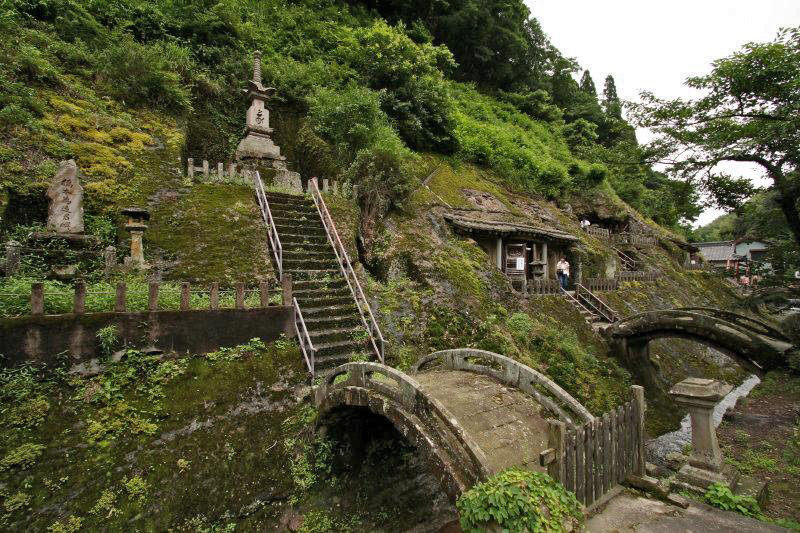 Crossing arched stone bridges, you are welcomed by hundreds of stone statues called “Gohyaku Rakan” inside stone caves. Gohyaku means five hundred, and Rakan is the name for the highest rank of the Buddhist priests in Japanese. Actually 501 stone statues are placed here for those who died while silver mining to rest in peace. Some of them smile, cry, or even chatter to other statues. In those days, it was said that you can find statues which remind you of your descended relatives among them. The rumor spread and many people who had lost their family came here to find them.
House of the Kumagai Family
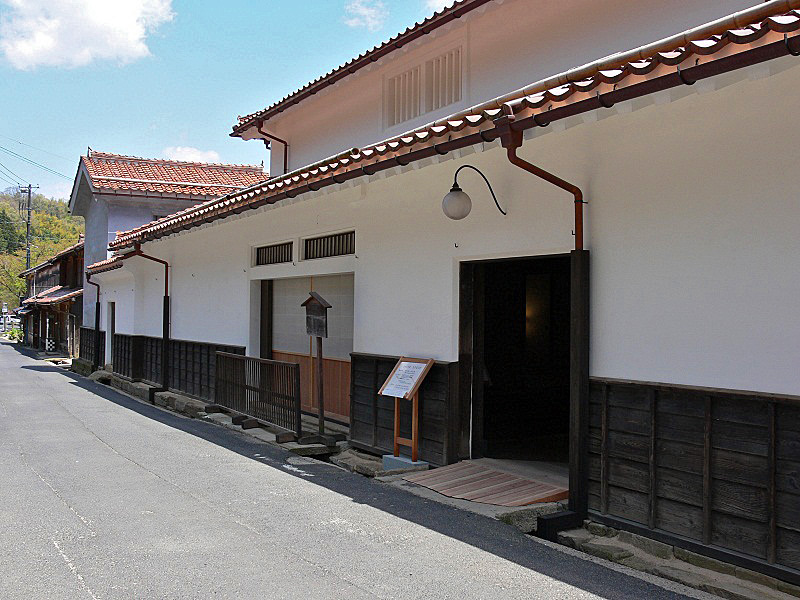 This is the largest merchant residence in Omori. This was involved with the management and administration of the mine during the 17th century. After this, it served as a guest house for merchants and officials visiting the Magistrate’s Office. This home was also involved in the production of sake (rice wine) from the end of the Edo Period. There are more than twenty rooms and five storehouses in this grand home. Here visitors can soak up the atmosphere of rich merchant life.
Iwami Ginzan World Heritage Center
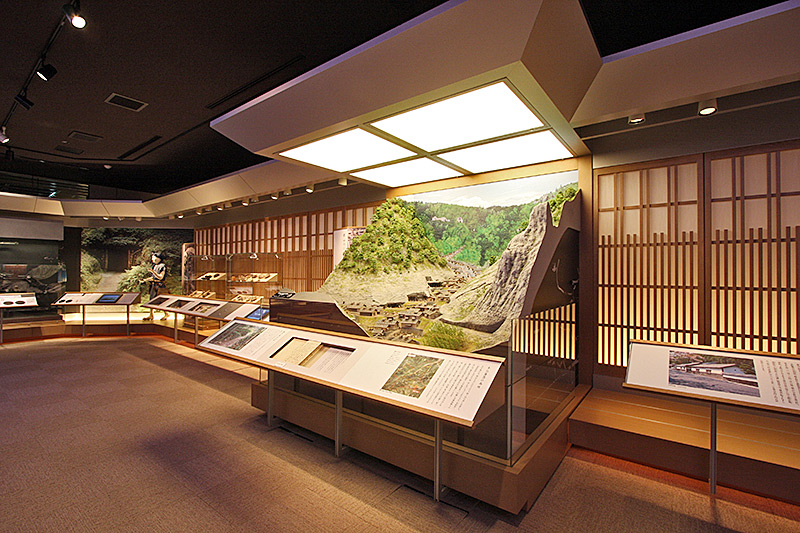 It is difficult to appreciate the value of Iwami Ginzan just by viewing the site. This museum features exhibits that simply and clearly explains the history of Iwami Ginzan and its impact on world history, as well as explaining mining technology. Through displays of excavated items, replica models, and video footage, visitors can experience the value of this World Heritage Site.