

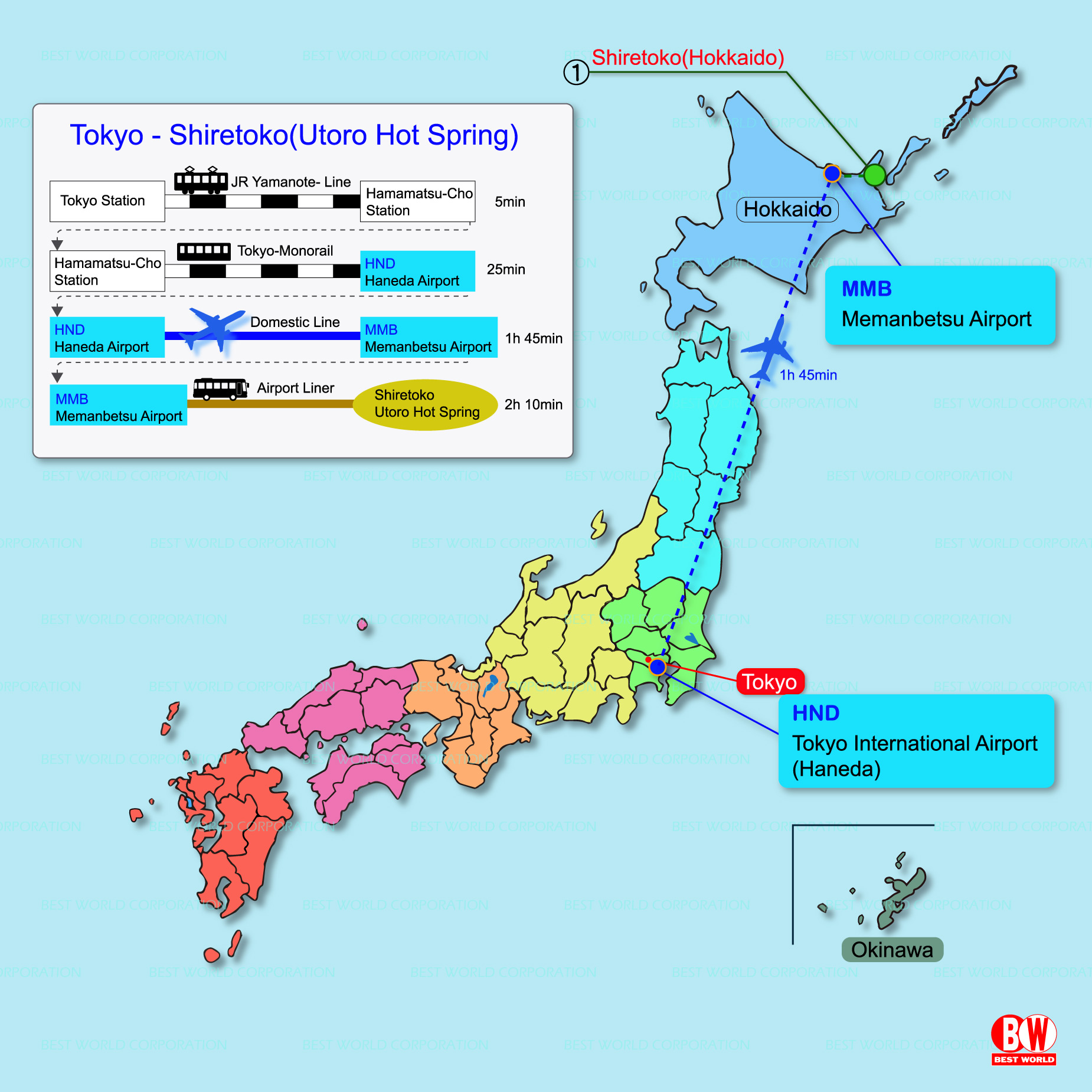
1.Shiretoko
Shiretoko Peninsula
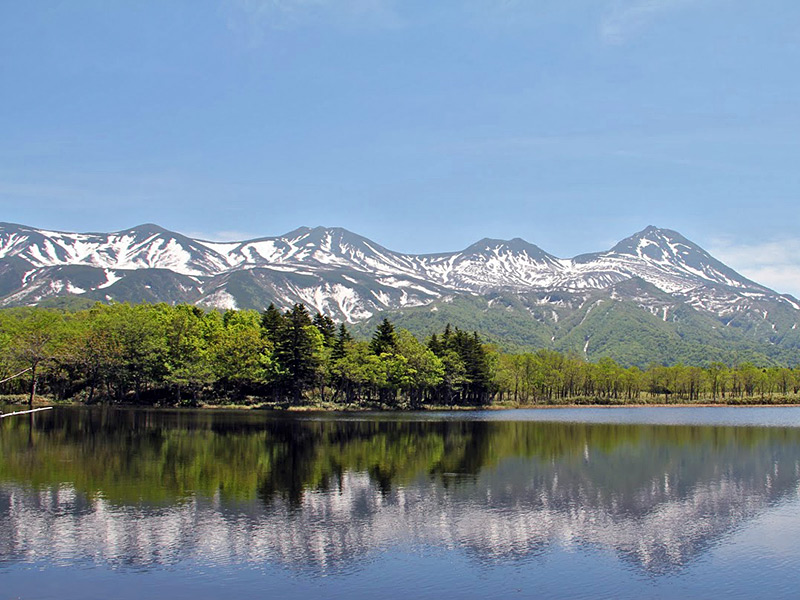 The Shiretoko Peninsula is located in the northeastern part of Hokkaido, and contains sheer cliffs, wetlands and lakes, and steep mountains of about 1,500m formed by volcanic activity. The World Heritage property is an area of approximately 71,100 ha that includes the Shiretoko Peninsula, from the central part to the Shiretoko Cape at the tip, and the surrounding ocean.
Rausu Visitor Center
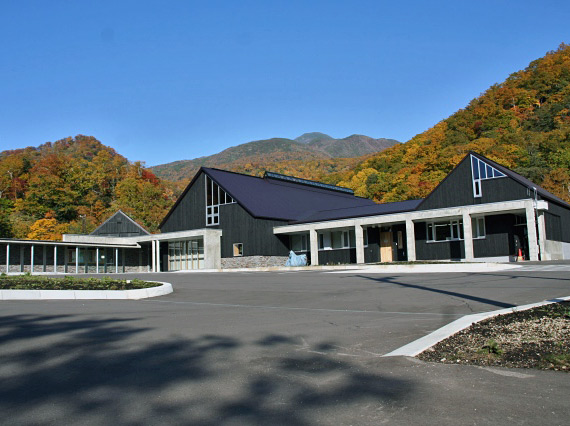 The Rausu Visitor Center serves as the gateway to the Rausu side, and displays and explains information related to nature, culture, and usage. It also serves as the central base for the Wildlife Protection Area and for wildlife research.
Lake Rausu
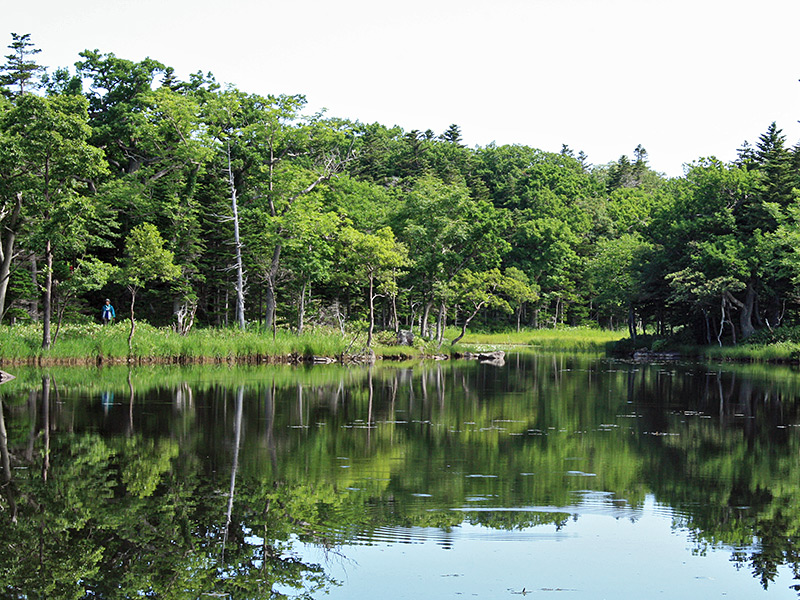 This is the largest lake in the Shiretoko Peninsula. The deep primeval forests of Erman's birch and Sakhalin fir are dotted with wetlands and snow patches, with the various different alpine plants in each of the seasons. The Lake Rausu Route requires equipment and experience for mountain climbing.
Shiretoko Goko Lakes
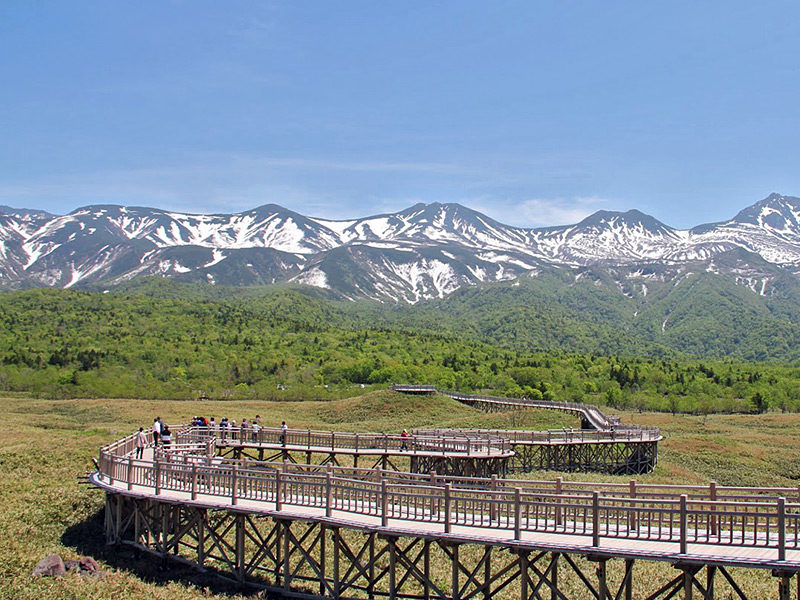 Here visitors can see the beautiful scenery of five lakes surrounded by primeval forests dotting the landscape, with the Shiretoko mountain range and primeval forests reflected in the surfaces of the lakes. The periods in which Shiretoko Goko Lakes is open are divided up into three stages: the Bear Aware Season, Ecosystem Aware Season, and the free use period, with visitors being required to apply certain entry procedures or take a lecture depending on the time period to use walks on the ground. Visitors are allowed to freely stroll along the elevated boardwalk on which an electrified fence for repelling bears has been installed. See the Shiretoko Goko Lakes Field House website for details.
Whale Watching
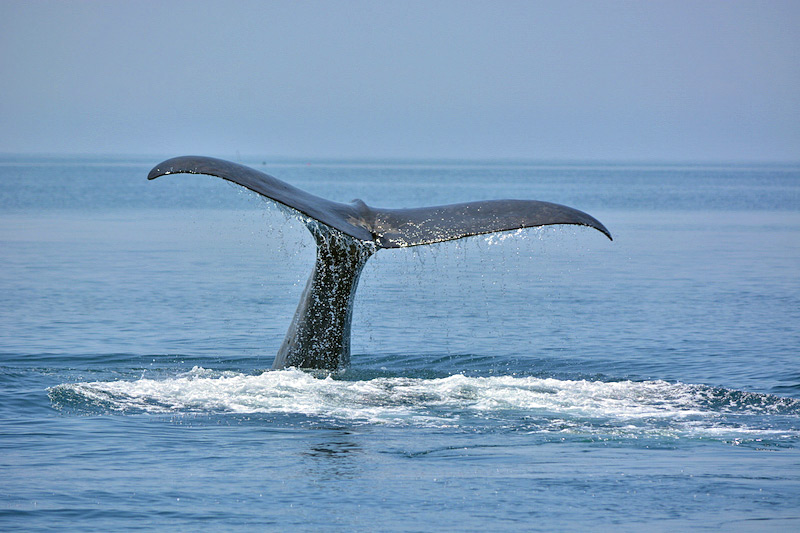 Mink whales, Baird's beaked whales, sperm whales, killer whales, Dall's porpoises, Pacific white-sided dolphins, and harbor porpoises are mainly observed here. The peak time to see mink whales is from about May to June, and about August to September for sperm whales.
Steller Sea Lions
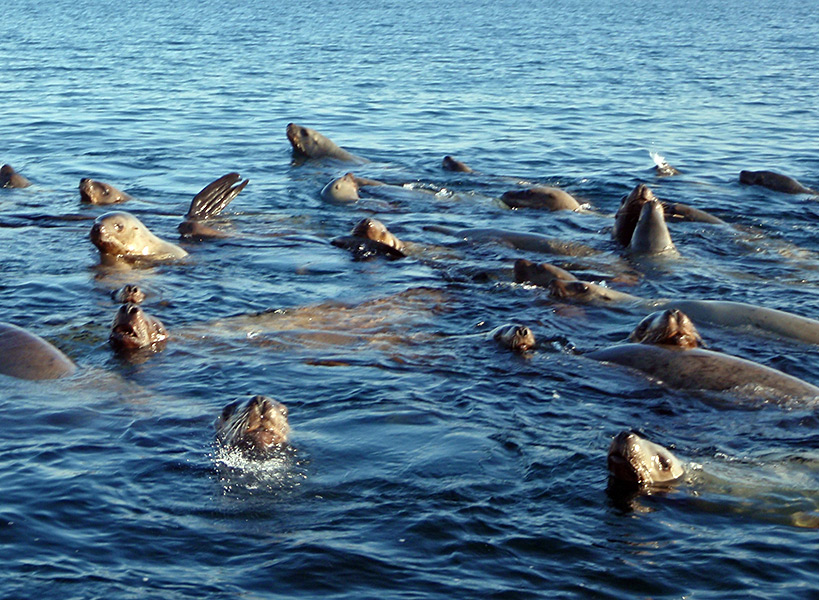 Herds of around 100 Steller sea lions which primarily consist of females migrate to the coastal waters of the Shiretoko Peninsula. They mate in the seas adjacent to Russia, and pregnant individuals come here to build up their nutritional reserves in order to give birth. In Shiretoko, they feed mainly on Walleye pollock.
Brown Bear
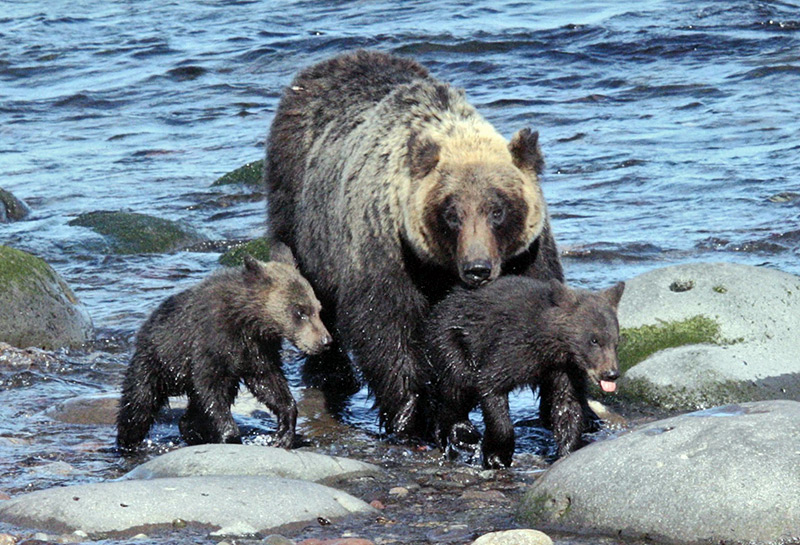 The Shiretoko Peninsula is one of the world's highest density regions for brown bears. Since they can make use the bounty of the forests and the sea, including herbaceous plants from the coasts and high mountains, fruit and nuts fromforests, and the salmons that swim upstream—they have more than 90 varieties of food resources at their disposal.
Quotations from the Ministry of the Environment
・Shiretoko (World Heritage property) pdf
・Shiretoko (Outstanding Universal Value/Protection and Management) pdf